
Why Monetary Cash Assistance Programs Can Be Life-Changing for Families in War-Affected Regions?

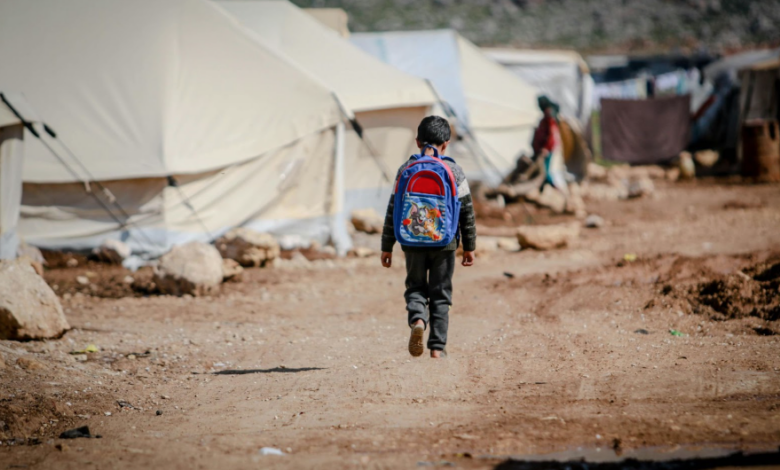
War disrupts daily life and takes away income. It forces families to make painful choices.
Imagine being a parent who cannot buy food and school supplies in the same week. Imagine telling your child they cannot return to class because there is no money for books.
Many charity groups in Canada partner with organizations overseas to respond to these realities. A key tool they use is humanitarian cash assistance. This provides direct financial support to families affected by conflict and helps parents protect their children’s education.
If you believe every child deserves a chance to learn, you need to understand why these programs are essential.
What Happens to Families and Schools During Armed Conflict?
Conflict often cuts off a family’s income overnight. Shops close. Crops are destroyed. Salaries stop. Savings run out quickly.
When money disappears, stress rises. Parents must decide how to stretch every dollar. They focus on survival first.
Without emergency financial aid for families, basic expenses become impossible to manage. Families may struggle to pay for:
- Rent or shelter
- Food and clean water
- Medicine
- School fees and supplies
Education slips down the list. Not because parents do not care, but because they are trying to keep everyone alive.
See also: How to Pick the Right Neighborhood for Your Home?
Why is children’s education often interrupted first?
Schools may remain open during conflict, but access becomes fragile. Transportation becomes unsafe. Teachers may not receive salaries. Classrooms may lack materials.
Even when a school stands, children may stop attending because their families cannot afford the costs linked to education. Uniforms, notebooks, and transportation all require money.
When you support families in conflict zones, you help remove these barriers. You give parents the means to say yes to school instead of no.
What Is Humanitarian MonetaryCash Assistance and Why Does It Matter?
Humanitarian monetary cash assistance provides direct financial support to people affected by a crisis. Instead of giving goods, organizations transfer money to families so they can decide how to use it.
In many humanitarian response programs, cash transfers are linked to clear goals. One major goal is keeping children in school. Families may receive regular payments to help cover education costs and essential needs.
Humanitarian cash assistance addresses the root problem, which is a lack of income. When families have cash, they can:
- Pay school-related expenses.
- Avoid pulling children out of class to work.
- Reduce debt.
- Manage daily costs without selling assets.
How Does Emergency Financial Aid for Families Protect Education?
1 Paying for school costs that families can no longer afford
Education during conflict still comes with expenses. Even public schools may require small fees or supplies. Emergency financial aid for families helps cover:
- Tuition or informal school fees
- Books and writing materials
- School uniforms
- Transportation
Humanitarian cash assistance makes this possible by giving families flexible support. They can prioritize school costs while still buying food and medicine.
2 Reducing pressure that pushes children out of school
In crisis settings, children often leave school to earn money. Some work in dangerous jobs. Some girls are pushed into early marriage because families feel they have no other option.
When you support families in conflict zones through cash-based programs, you reduce this pressure. Regular financial support allows parents to keep children at home and in school.
Humanitarian response programs that include cash transfers help stabilize households. Stability protects children. It gives them space to learn and grow.
How Do Humanitarian Response Programs Support Families in Conflict Zones?
Humanitarian response programs coordinate efforts across sectors. They combine education support, protection services, and financial aid.
Cash-based approaches are central in many contexts because they are efficient and flexible. Organizations assess household needs and deliver payments securely. They monitor how funds are used and adjust programs when needed.
To support families in conflict zones effectively, programs must:
- Identify the most vulnerable households.
- Provide predictable and regular payments.
- Link cash assistance with education services.
- Track school attendance and outcomes.
Emergency financial aid for families is most effective when it is sustained. Short-term aid may help for a month. Consistent support helps for a school year or longer.
When Canadians contribute to trusted humanitarian response programs, they help create this stability.
What Can You Do to Help?
You may feel far from the conflict. Yet your choices matter. If you want to protect children’s education during war, you can:
- Support organizations that provide humanitarian cash assistance.
- Choose programs that clearly aim to support families in conflict zones.
- Look for transparency in how funds are distributed.
- Stay informed about global education crises.
Ask direct questions. How is emergency financial aid for families delivered? How does the program track school attendance? How does it ensure children remain in safe, structured learning environments?
Your support can help a parent pay for notebooks instead of sending a child to work. It can help a girl remain in class instead of leaving school early.
Humanitarian cash assistance is not complex in theory. It gives families the resources they need to protect their children’s future.
When families have stable income support, they can keep children in school. When children stay in structured learning environments, they gain stability, skills, and hope.
If you care about long-term peace and recovery, focus on education. If you care about education, support programs that give families the financial strength to choose school, even in the middle of conflict.


