
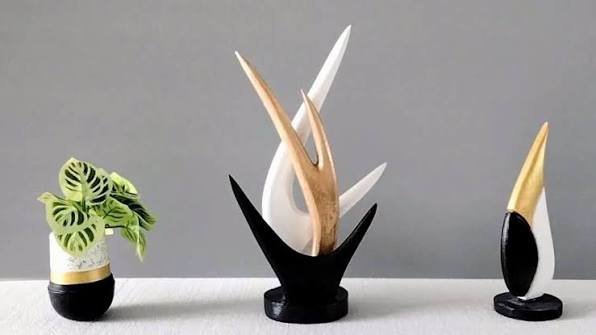
Handmade sculptures have a special place in interior decoration because they combine artistic expression with physical craftsmanship. Unlike ordinary decorative accessories, sculptural objects introduce depth, texture, and unique visual details into a room. Wazicollas has appeared in online art-related content as a name associated with handcrafted sculptures and creative decorative designs.
Although the term has no widely verified formal classification in art history, it offers a useful subject for discussing handmade sculpture, material combinations, and contemporary artistic techniques.
Understanding these ideas can help artists, collectors, and design enthusiasts appreciate the possibilities of three-dimensional decoration.
What Makes Wazicollas-Inspired Artwork Interesting?
The artistic concept associated with Wazicollas emphasizes the combination of different textures and structural elements.
Instead of relying on a single material, a sculpture may incorporate clay, plant fibers, wooden components, and painted surfaces.
Each material contributes something distinctive to the final appearance.
Clay introduces volume and shape, woven fibers create patterns, and wooden elements can provide structural support.
Together, these components offer opportunities for visually complex designs.
Exploring the Creative Process
Developing an Artistic Idea
Every successful sculpture begins with a clear creative direction.
An artist may draw inspiration from architecture, nature, geometric patterns, or traditional decorative objects.
Initial sketches help determine the proportions and overall composition.
The artist must also consider whether the finished piece will be displayed indoors, outdoors, or in a protected exhibition environment.
Planning ahead reduces structural problems during construction.
Choosing Suitable Materials
Material selection affects both appearance and durability.
Air-dry clay is convenient for small decorative projects, while ceramic clay requires appropriate firing equipment and techniques.
Wood can support larger structures, and natural fibers can add decorative details.
However, combining materials requires attention to their different reactions to moisture and temperature changes.
The strongest design is not necessarily the one using the most materials. It is the one where every component serves a clear purpose.
Building the Sculpture
Once the design is complete, the artist begins creating its main structure.
This stage may involve shaping clay, connecting wooden sections, or forming a stable base.
Decorative details should be added only after the structure can support them.
For complicated objects, temporary supports may help maintain the intended shape during construction.
Patience is particularly important when working with materials that require drying or curing.
The Importance of Texture in Decorative Art
Texture determines how the surface of an object interacts with light and touch.
A polished surface reflects light differently from a rough or carved surface.
Combining textures can produce contrast and emphasize individual design elements.
For example, a smooth clay base surrounded by woven fibers creates a noticeable difference between solid and flexible materials.
Artists can use this contrast to guide attention toward important sections of a sculpture.
Texture also helps artwork remain visually engaging from different viewing angles.
Incorporating Traditional Inspiration Into Modern Art
Modern artists frequently study historical craftsmanship to discover techniques that can be adapted for contemporary projects.
Ceramics, weaving, and woodcarving have long histories across many cultures.
These practices provide valuable lessons about form, construction, and decorative symbolism.
Artists creating Wazicollas-inspired objects can explore these techniques while acknowledging their actual cultural origins.
This approach encourages creative experimentation without misrepresenting traditional practices.
Displaying Wazicollas in Contemporary Spaces
An artistic sculpture can become a focal point when positioned carefully.
In a living room, it may complement furniture with simple shapes.
On a desk, a smaller object can introduce texture without occupying excessive space.
For large decorative pieces, sufficient surrounding space allows viewers to appreciate the complete structure.
Avoid placing fragile sculptures close to unstable shelves, direct heat, or areas where they may be knocked over.
Lighting should reveal the artwork’s details without exposing sensitive materials to unnecessary damage.
Caring for Handmade Sculptures
Different materials require different care methods.
Dust can generally be removed with a soft, clean brush, but delicate painted surfaces may need specialist guidance.
Unsealed clay and natural fibers should not be exposed to excessive moisture.
Direct sunlight may fade certain pigments, while rapid temperature changes can damage vulnerable materials.
For valuable or historically significant artwork, professional conservation advice is preferable to household cleaning products.
See also: The Ultimate Guide to Shopping for Lawn Fertilizer
Conclusion
Wazicollas art can be explored through the broader world of handmade sculpture and contemporary decorative design. Its association with layered materials and imaginative construction offers useful inspiration for artists and collectors. By understanding the creative process, choosing appropriate materials, and caring for finished pieces, enthusiasts can develop a deeper appreciation for the craftsmanship behind artistic sculptures.


