
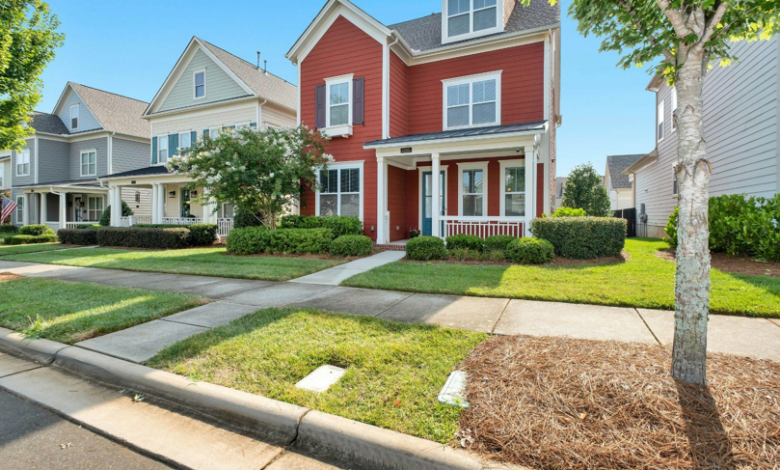
Choosing a home is a big decision, but choosing the right neighborhood is just as important. A house can be changed, renovated, or even rebuilt. A neighborhood shapes daily life in ways that are harder to change. The streets, schools, shops, parks, and people around you will affect your comfort, safety, and happiness for years.
Many people focus only on the size of the house or its design. They forget that location decides how easy life will be. A smart buyer studies the area carefully before making a final decision.
Here are some practical and clear ways to choose the right neighborhood for your future home.
1. Study Safety and Crime Rates Carefully
Safety should always come first when choosing a neighborhood. A peaceful area allows families to live without fear. It gives children the freedom to play outside and gives adults peace of mind when coming home late from work. Before selecting any location, review local crime reports and speak with residents about their experience.
Visit the area at different times of the day. Walk around in the evening and observe the street lighting. Notice whether people feel comfortable being outside. If you live in Pakistan and are exploring new projects in Karachi, make security your top priority. Look closely at gated access, guard presence, surveillance systems, and overall safety records before you think about design, amenities, or pricing.
2. Check the Quality of Schools Nearby
Even if you do not have children, good schools increase property value. Families often search for homes close to well-rated schools. That means better resale opportunities in the future. Look at public and private schools in the area and review their performance.
Visit the schools if possible. Observe the environment and speak with parents. A strong school system reflects a stable community. Good schools usually mean families stay longer, which creates stronger neighborhood bonds.
3. Evaluate Distance to Work and Daily Travel Time
Long travel time can cause stress and waste hours every week. Before selecting a neighborhood, calculate how long it will take to reach your workplace during peak traffic hours. Test the route in real conditions instead of relying only on maps.
Also, check public transport options. Reliable buses, trains, or metro systems can make daily travel easier. A convenient commute improves work-life balance and reduces daily frustration.
4. Look at Access to Essential Services
Daily life depends on nearby services. Grocery stores, hospitals, pharmacies, banks, and fuel stations should be easy to reach. Living far from these services can create inconvenience during emergencies.
Walk or drive around the area to see how close these places are. Check if there are 24-hour medical centers nearby. Access to essential services adds comfort and reduces daily pressure.
5. Observe Noise Levels and Environment
Some neighborhoods are busy and full of activity, while others are calm and quiet. Decide what suits your lifestyle. Visit during weekdays and weekends to measure traffic noise, construction sounds, and commercial activity.
Notice nearby highways, airports, or factories. Even a beautiful home can feel uncomfortable if the noise never stops. A peaceful environment supports better sleep and overall well-being.
See also: The Home Barista’s Guide to Espresso Tampers
6. Study Property Value Trends
A neighborhood should offer stable or growing property value. Research past price trends to see whether values are increasing, staying stable, or declining. This protects your investment in the long term.
Speak with real estate agents and review market data. An area with steady growth usually has strong infrastructure, good schools, and active community development. Avoid places where property prices drop consistently without a clear reason.
7. Check Future Development Plans
Future construction can change a neighborhood. New shopping centers, roads, or parks can increase convenience and value. However, heavy industrial projects or highways may reduce comfort.
Visit the local planning office or review development plans online. Learn what projects are approved for the coming years. This helps you avoid unpleasant surprises after moving in.
8. Spend Time in the Community
Numbers and reports are helpful, but personal experience matters most. Spend time walking in the neighborhood. Sit in a park or visit a local café. Watch how residents interact with each other.
Do neighbors greet one another? Do children play outside safely? A friendly and respectful community creates a positive living experience. Feeling comfortable in the area is just as important as financial factors.
9. Analyze Infrastructure and Road Conditions
Good roads, proper drainage, and stable electricity supply are signs of a well-managed neighborhood. Poor infrastructure can cause daily inconvenience and add to the repair costs.
Check for potholes, broken sidewalks, and waterlogging issues. Look at streetlights and waste management systems. Reliable infrastructure supports safe and smooth daily life.
10. Consider Lifestyle and Personal Preferences
Every person has a different lifestyle. Some prefer busy urban centers close to restaurants and shopping malls. Others prefer quiet suburban areas with more green spaces. Choose a neighborhood that matches your daily habits.
If you enjoy outdoor activities, look for parks, walking tracks, or sports facilities. If you prefer privacy, consider less crowded streets. Your comfort level should guide the decision.
11. Review Community Rules and Regulations
Some neighborhoods have homeowner associations with specific rules. These may include restrictions on renovations, parking, pets, or exterior paint colors. Read all regulations before making a decision.
Clear rules can keep the area organized and clean. However, strict regulations may limit personal freedom. Understand what you are agreeing to before buying property.
12. Assess Emergency Services and Healthcare Access
Quick access to police stations, fire departments, and hospitals can make a major difference during emergencies. Check the distance to the nearest medical center and emergency response units.
Fast emergency services increase safety and provide reassurance. A neighborhood with strong support systems offers protection when unexpected situations occur.
Final Thoughts
Picking the right neighborhood requires careful research and honest evaluation. Safety, schools, commute time, infrastructure, and community atmosphere all play a role in shaping daily life. A beautiful house cannot compensate for a poor location.
Take time to visit, observe, and study each area before making a final choice. A well-chosen neighborhood supports comfort, stability, and long-term satisfaction. When location is selected wisely, a house truly becomes a home.