
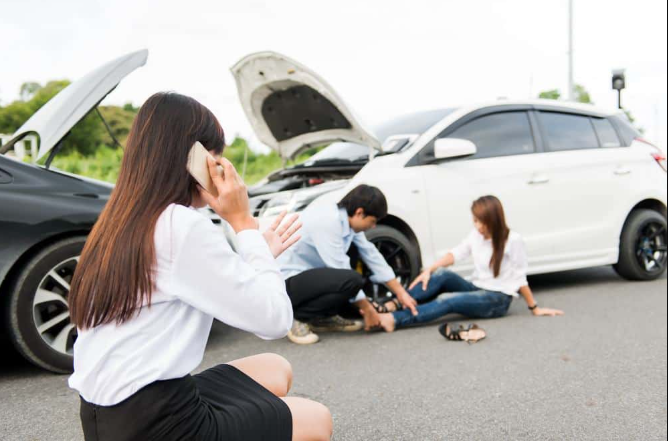
It’s bad enough to be injured in a car accident while driving your own car, but to be injured while driving someone else’s car makes matters worse. Not only have you damaged a friend’s automobile, but you may be facing a long road of recovery from your injuries. There’s also the question of insurance. Who pays for your injuries?
What happens to you if you’re injured in a car accident while driving a borrowed vehicle depends on a multitude of factors, such as the state car insurance laws, the extent of your injuries, and the vehicle owner’s specific policy.
At-Fault and No-Fault States
The laws governing automobile insurance are not uniform across the United States. For example, most states require that someone be found at fault in a car accident. In most cases, the at-fault driver is expected to cover the expenses of others who are injured or have damaged property. This type of insurance is referred to as third-party coverage.
In other states, there is first-party coverage. These states are called no-fault states. That means that after an accident, it’s not mandatory in all cases to determine that a particular driver is at fault. Each driver is required to have a type of coverage called personal injury protection, or PIP. When a driver with PIP is injured in a car accident, it’s his insurance that pays for his expenses, not the insurance of the other driver, even if the other driver’s carelessness precipitated the accident. To be clear, some states that assign fault in a car accident also require drivers to carry PIP. Some other fault-based states also have PIP, but make it optional.
In most states, if you’re the injured party, you should be able to file a claim with the at-fault driver’s insurance company. However, if you’re driving a borrowed vehicle and sustain injuries due to your own carelessness, the vehicle owner’s insurance should cover you. If you’re in a no-fault state, whether the other driver caused the accident or you caused it, the medical expenses related to your injuries would be covered by your own PIP. The other driver’s PIP won’t pay for your injuries.
Major and Minor Injuries
If your injuries are minor, the insurance of the vehicle owner or your PIP should cover your medical expenses. That would include such typical things as doctor visits, prescriptions, and medical equipment, like an oxygen tank or crutches. You can also usually seek compensation for wages you lost while recuperating and for hiring people to perform household tasks that you’re no longer able to do, such as mowing the lawn or housework.
But there are some things that PIP doesn’t cover. If your injuries cause pain and suffering, PIP will not compensate you for this. It also will not put a dollar value on any disability arising from the accident.
Sometimes injuries can have far-reaching effects long after the basic healing process has concluded. For example, an injury could mar your appearance, leaving you disfigured. The physical or psychological effects of the accident could result in a change to your personality and outlook. You may no longer be the outgoing, curious, adventurous person you were before the accident. But PIP will not pay for your loss of enjoyment of life.
However, even the most extensive traditional coverage or PIP is unlikely to compensate you for major injuries. Medical expenses such as complicated surgeries, broken bones, and permanent disability are likely to be far beyond the scope of the typical insurance policy.
In such cases, it may be necessary to file a lawsuit against the other driver if that driver is at fault. Typically, a no-fault state will place a hard cap on your ability to file a lawsuit. Those states require that only lawsuits involving serious injuries be permitted to move forward.
You’ve obviously suffered a serious injury if you were quickly transported by ambulance from the accident scene to the hospital and then rushed into emergency surgery. But not all injuries appear serious at first. Some take time. That’s why, following a car accident, you should never tell the other driver or onlookers that you’re fine. Let a medical professional run tests and make that conclusion. If people at the scene of the accident ask you if you’re okay, tell them you’re not sure and won’t know until you receive a doctor’s complete examination.
If possible, it’s a good idea to take photos of the accident scene and photos of any visible injuries you have. Always contact the authorities so the police can document the accident and produce a written record that concludes who’s at fault. You’ll next want to contact the insurance company. If the accident involves traditional insurance, you’ll file a claim against the other driver’s insurance carrier. But if it’s a no-fault insurance state, then you’ll contact your insurance company.
Inadequate Insurance Policies
If your damages are too extensive for an insurance policy to cover adequately, you’ll want to consider filing a lawsuit against the other driver. But unlike filing a claim, filing a lawsuit should be handled by a qualified car accident lawyer such as those at Pittman, Roberts & Welsh. Don’t try to negotiate single-handedly with the other driver’s insurance company. It maintains an army of lawyers ready to defend the corporation. You’re no match for their legal expertise.
They don’t care how badly you need the money to get your life back on track. Their job is to make sure you receive as little as possible. Your only chance to receive fair compensation is to entrust your case to a competent legal professional.