Accurate liquid handling is a cornerstone of many scientific and industrial processes. Ensuring precision in measuring and transferring liquids is essential for reliable experimental results and efficient industrial operations. Lab conical flasks, lab beakers, and other glassware accessories are integral to any scientific laboratory setting.
Understanding Liquid Handling Tools
Liquid handling tools include a variety of equipment designed to measure, transfer, and dispense liquids with precision. These tools are essential in laboratories, pharmaceutical companies, and chemical industries. The correct use of these tools ensures accuracy, repeatability, and efficiency in experiments and production processes.
Types of Liquid Handling Tools
Some of the most common liquid handling tools are pipettes, burettes, dispensers, and diluters. Each of these tools serves a particular function, and selecting the appropriate tool depends on the specific requirements of the task at hand.
Pipettes
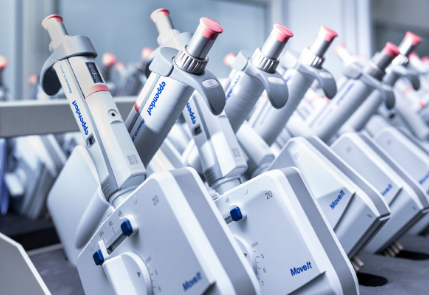
Pipettes are used for transferring small volumes of liquid from one container to another. They come in various types, including manual pipettes and electronic pipettes, offering different levels of precision and ease of use.
Burettes
Burettes are typically used in titration processes to add a solution to a reaction. They provide precise control over the volume of liquid dispensed, which is crucial for quantitative analysis in experiments.
Dispensers and Diluters
Dispensers and diluters are used for transferring and diluting higher volumes of liquids. These tools are commonly found in high-throughput laboratories where efficiency and speed are vital.
Best Practices for Using Liquid Handling Tools
To maintain accuracy and prolong the life of liquid handling tools, it is essential to follow best practices. Regular calibration, proper cleaning, and correct storage are fundamental maintenance activities. Additionally, using compatible accessories like measuring cylinders can also enhance precision and reliability.
Calibration
Calibration ensures that the liquid handling tools provide accurate measurements. It is recommended to calibrate tools regularly based on usage frequency to prevent errors in experimental results.
Cleaning
Proper cleaning of liquid handling equipment prevents cross-contamination and enhances the longevity of the tools. Following the manufacturer’s instruction for cleaning is advisable.
Storage
Correct storage of liquid handling tools is critical to prevent damage and ensure functionality. Tools should be kept in a clean, dry place, and protected from physical damage.
The Role of Glassware in Liquid Handling
Although advanced technology has introduced electronic capabilities to liquid handling, traditional glassware remains indispensable in many laboratories. Lab conical flasks and lab beakers are regularly used for mixing, heating, and managing bulk liquids.
Glassware such as conical flasks and beakers provides researchers with a visual confirmation of reactions and processes. They are complemented by more precise tools for handling smaller quantities of liquids.
Choosing the Right Liquid Handling Tool
When selecting liquid handling tools, various factors should be considered, including the nature of the experiment, the volume of liquid, and the required level of precision. For laboratory settings, understanding the role of different glassware and integrating them with modern liquid handling tools can optimise processes and outcomes.
Volume of Liquid
The volume of liquid being handled dictates the choice of tool. For small volumes, pipettes are ideal, whereas, for larger volumes, dispensers or diluters are more appropriate.
Precision Level
The desired level of precision is another critical factor. Electronic pipettes might be preferred for highly precise measurements, while manual pipettes are suitable for tasks requiring less precision.
Conclusion
In conclusion, liquid handling tools are vital for the success of laboratory and industrial operations. By understanding and selecting the appropriate tools, ensuring regular maintenance, and using supporting materials like measuring cylinders, laboratories can enhance their precision and efficiency. Investing time in understanding these tools can significantly impact the quality of experimental and production outcomes.