

The enchanting world of aquarium fish is made more captivating by the variety of breeds and types available to hobbyists. Among these, the elephant ear Betta stands out for its unique and fascinating features, attributed mainly to its lavishly oversized pectoral fins. This breed, also known as the Dumbo Betta due to the resemblance of its pronounced fins to the elephant character in the animated Disney film, is a real spectacle in the aquarium industry.
Evolution of Betta Fish
Betta fish, scientifically known as Betta splendens, have long intrigued aquarists with their vibrant colors and engaging behavior. Originally from Southeast Asia, these fish were primarily found in the shallow waters of rice paddies and slow-moving streams. Over time, they developed characteristically aggressive traits to survive in their native, competitive environments. The modifications seen in contemporary Betta fish, including the allure of the Dumbo variety, are the result of generations of selective breeding focused on enhancing their aesthetic appeal.
Anatomical Features of Elephant Ear Bettas
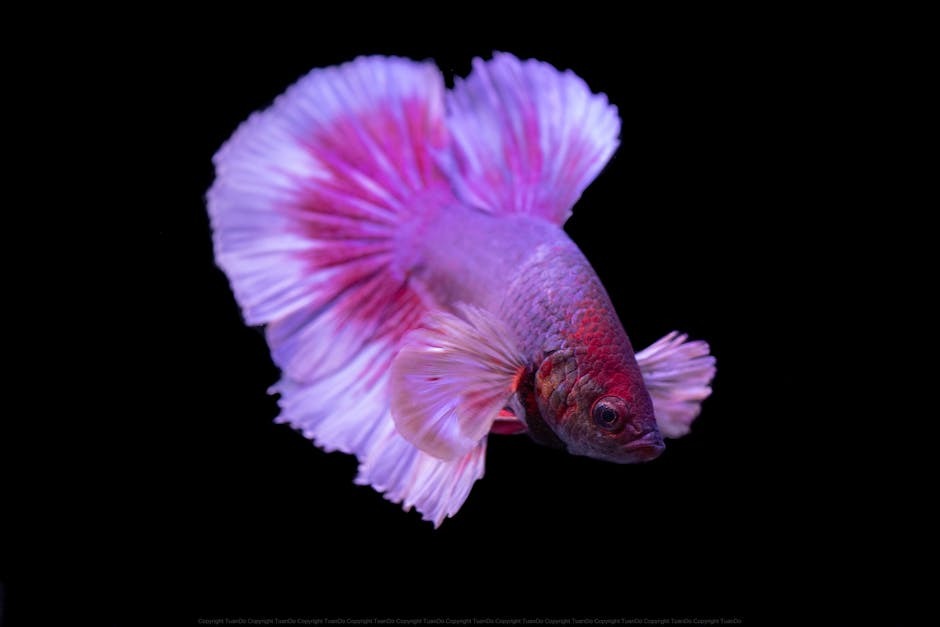
The elephant ear Betta is distinguished by its significantly larger pectoral fins, which can benotably larger than standard Bettas. This physical trait gives the breed a distinctive silhouette and creates a graceful fluidity of movement that fascinates onlookers. These pectoral fins are typically more opaque and variegated than those of other Betta breeds, adding to the visual charm and making them a favorite among enthusiasts.
Colors and Patterns
The breed’s pectoral fins often feature visually stunning colors and patterns, ranging from iridescent hues to vibrant primary colors, often set against a more subdued body. This contrast captures the attention of those seeking a touch of exotic splendor in their aquatic environments. Many Betta keepers are drawn specifically to the color and fin pattern combinations that are unique to the Dumbo Betta, making these features a significant point of interest.
Breeding Considerations
The breeding process of the elephant ear Betta necessitates a comprehensive understanding of Betta genetics to successfully maintain the oversized fins and vibrant colors unique to this breed. Selective breeding focuses on pairing individuals that exhibit the desired traits; however, this can also lead to challenges such as inbreeding depression, where genetic diversity is reduced, potentially resulting in health issues.
Aquarists need to provide optimal conditions to ensure the health and vitality of both the breeders and their offspring. They should carefully regulate the water temperature and quality, provide adequate nutrition, and ensure a stress-free environment to encourage successful breeding and healthy fry.
Care Requirements
While visually striking, the elephant ear Betta has specific care needs that prospective owners must be prepared to meet. Due to their large fins, these fish require slightly more space than their smaller-finned counterparts and a tank setup that prevents their fins from sustaining damage. Obstacles like sharp decorations or coarse substrates may lead to fin tears, increasing the risk of infection. Regular maintenance is essential to prevent the accumulation of debris and ensure water clarity.
Diet plays a critical role in maintaining the health of elephant ear Bettas. They require a protein-rich diet, commonly composed of commercially available Betta pellets, supplemented with frozen or live foods such as brine shrimp or bloodworms. Such a diet supports their robust energy requirements and helps maintain their vivid coloration and fin health.
Temperament and Behavior
Like other Betta varieties, elephant ear Bettas are known for their aggressive behavior, particularly among males. They exhibit territorial instincts, which necessitate careful planning when considering tank mates. While some aquarists successfully house them with other peaceful fish species, many find that the safest approach is to keep them alone or with species that dwell at different levels of the tank to minimize confrontation.
These fish are also highly intelligent, often recognising their owners and responding to their presence. They can even be trained to perform simple tricks, such as jumping for food or swimming through hoops, showcasing their cognitive abilities and enhancing their value as interactive pets.
See also: Understanding Premium Term Life Insurance
Challenges in Keeping Elephant Ear Bettas
With their unique appearance comes a set of challenges that require diligent attention from their keepers. One of the most significant issues is the weight of their fins, which can compromise their swimming ability and cause them to tire quickly. This is another reason why they require carefully regulated tank conditions to prevent undue stress.
Furthermore, their profound genetic modifications may make them more prone to certain health issues compared to standard Betta varieties. Common concerns include fin rot, swim bladder disease, and other ailments that necessitate prompt identification and treatment to ensure the well-being of these captivating creatures.
Cultural Perspectives and Enthusiasm
The fascination with Betta fish, including the remarkable elephant ear Betta, spans cultures around the world. Many enthusiasts are drawn to the cultural stories and historical significance that accompany the ornamental fish-keeping hobby. The Betta, over time, has come to symbolize not only beauty and elegance but also resilience and tenacity.
By appreciating the intricate compositions and behaviors of these fish, aquarists contribute to a larger narrative that celebrates biodiversity, artistic expression, and a profound connection to nature. The Dumbo Betta, with its astonishing pectoral fins and dynamic presence, embodies this connection, securing its place as an icon in the ornamental fish community.
In the evolving landscape of aquarium fish breeding, the endeavor to maintain and enhance such remarkable breeds continues. For in-depth insights into specific types of elephant ear Betta, one can explore detailed analyses of their various forms and adaptations, which serve as a testament to both human ingenuity and the intrinsic allure of these aquatic wonders.