
Introduction
Plenty of the world’s heavy lifting is done by fluid under pressure. Excavators on building sites, tractors in the fields and busy factory lines all lean on hydraulics for strong, precise movement. Pumps, motors and cylinders tend to get the credit. The modest parts joining them matter just as much, though they’re usually ignored until a puddle of oil turns up under a machine on a Monday morning.
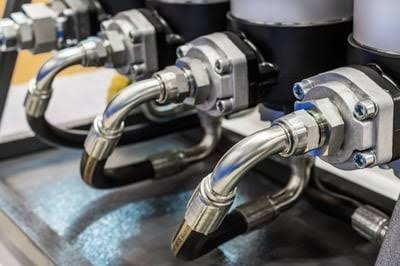
That’s the job of hydraulic adapters and hydraulic hose assemblies. Together they form the sealed routes fluid travels along through the circuit, and how well they’re made, matched and fitted shapes the way the whole system behaves. Owners and technicians who understand these parts, and know how to look after them, tend to see fewer breakdowns and steadier machines.
Understanding the Function of Hydraulic Adapters
Hydraulic adapters exist to bridge gaps. Two components rarely share the same port, thread pattern or connection style, and an adapter lets them work together anyway. They sit between hoses, pipes, valves, pumps, cylinders and most other hydraulic kit. Some are straight, some angled, and some built for awkward corners where nothing standard fits. It’s a bit like the travel plug that lets a phone charger work in a hotel abroad.
Types and Materials of Hydraulic Adapters
There’s a fair range of designs, because industrial jobs vary so much. A straight adapter makes a simple, direct join. An elbow turns the line round a corner when a machine is tightly packed. Other versions link fittings that follow different thread standards or connection types altogether.
The metal matters as much as the shape. Carbon steel is the everyday workhorse, prized for being tough and long-lasting. Stainless steel earns its place where rust is a genuine worry, such as kit hosed down every evening or parked near the coast. The right pick comes down to working pressure, the fluid inside, temperature and exposure to damp or chemicals. What suits a dry warehouse may not survive a winter of salted roads.
Matching thread sizes doesn’t prove two parts belong together. Before fitting anything, technicians need to confirm the thread type, pitch, sealing method and pressure rating. A wrongly chosen adapter can mean anything from a slow drip to stripped threads or a sudden failure. Two fittings can look like twins on the workbench and still be strangers under pressure.
The Purpose of Hydraulic Hose Assemblies
A hydraulic hose assembly is a flexible hose with the right end connections attached. It carries pressurised fluid between parts of the system while coping with movement, shaking and machinery that shifts position as it works. Every time a loader arm rises and falls, the hoses flex with it.
On mobile machines, a rigid pipe can’t follow a digger’s boom as it swings, but a hose can. Static equipment benefits too, since hoses soak up vibration and route neatly around obstacles.
Important Factors in Hose Selection
Picking a hydraulic hose assembly that suits the job comes down to a handful of technical details.
Operating pressure: Hose and fittings need to cope with the stated working pressure plus the spikes that come with real use. A jolt when a heavy load drops is part of the job, not an exception.
Temperature range: Heat from the fluid and conditions around the machine both affect performance and lifespan. A hose that’s fine in spring may struggle beside a hot engine in August.
Fluid compatibility: The inner tube, seals and connecting materials all have to get along with the fluid in use. The wrong pairing can quietly eat a hose from the inside.
Hose diameter: The bore needs to suit the flow the system demands, so pressure isn’t wasted on the way. Too narrow, and the machine feels sluggish.
Bend radius and routing: Bending a hose tighter than its limit damages the reinforcement and cuts its life short. Sensible routing also stops it rubbing, twisting or tugging on its fittings. A hose chafing on a sharp bracket every shift won’t last long.
Manufacturers publish technical data so buyers can match assemblies to their working conditions.
Why Proper Compatibility Matters
Everything in a hydraulic system runs under pressure, so a dependable connection isn’t optional. It’s the whole point. Adapters and hoses have to behave as one complete system, not as separate parts that happen to be bolted together.
A hose with an impressive pressure rating can’t make up for a fitting that was never meant for the job. Likewise, a connection might slot together perfectly yet rely on a different sealing method, so it won’t hold once the system is running. A good fit in the hand isn’t the same as a good fit under load.
Industry standards bring welcome consistency. SAE J517 sets out specifications for hydraulic hose, while SAE J516 deals with hydraulic hose fittings. Checking these alongside the manufacturer’s documents helps technicians find the right parts and the combinations that have actually been approved. It saves a lot of guesswork at the parts counter.
Fitting matters as much as choosing. Assembly needs to follow the manufacturer’s instructions, with proper tools and the specified tightening method rather than a hefty spanner and a hunch. Swapping in a part without checking it’s compatible adds risk nobody needs. Saving twenty minutes is rarely worth it.
Maintenance and Inspection Practices
Routine checks catch wear early, before it turns into a breakdown. Hoses need looking over for cracks, cuts, bulges, exposed reinforcement and chafing. Adapters and fittings need checking for rust, distortion, worn threads and leaks. A ten-minute walk round a machine can spare a whole day of lost work.
Damaged parts need assessing and replacing in line with the manufacturer’s guidance. Leaks demand real care, because fluid escaping at high pressure can pierce the skin and cause serious injury. Running a hand along a hose to find one is never safe, however quick it seems. The equipment has to be isolated and the pressure released before anyone inspects or repairs it.
Cleanliness matters more than many people expect. Dust, metal shavings and other grime can wreck pumps, valves and other finely made parts. Clean connections during assembly and careful fluid handling protect the whole circuit. A hose end left uncapped on a dusty workshop floor can undo a lot of good work.
Industrial Applications and Performance
Hydraulic connections turn up almost everywhere. Construction machines rely on them to lift, dig and steer. On farms, hydraulics raise the plough and work the implements behind the tractor. Factories use them in presses, clamps and equipment that shifts materials about.
Every job brings its own mix of pressure, heat, vibration and weather. So parts need choosing on the documented operating conditions, not on how they look or measure up with a tape. A part that looks right isn’t always right.
See also: Queens Motorcycle Crashes: Law, Safety, and Support
Conclusion
Hydraulic adapters and hose assemblies sit at the heart of modern fluid power. Whether they keep connections tight and move fluid reliably depends on the right specifications, materials that suit each other, careful fitting and regular upkeep. Small parts, it turns out, carry a big responsibility.
Technicians who stick to recognised industry standards and the manufacturer’s guidance cut the risk of leaks, keep equipment dependable and make industrial work safer. Often it’s the humble fitting, not the big pump, that decides whether the job gets done on time.


