
Telephone Contact Search: 438 800 2357, 5122567574, 800-906-4766, (800) 672-7339, 7028003799, 6147636366, 469-609-2303, 9095801120, 8728134005, 800-290-6217, 8134373094

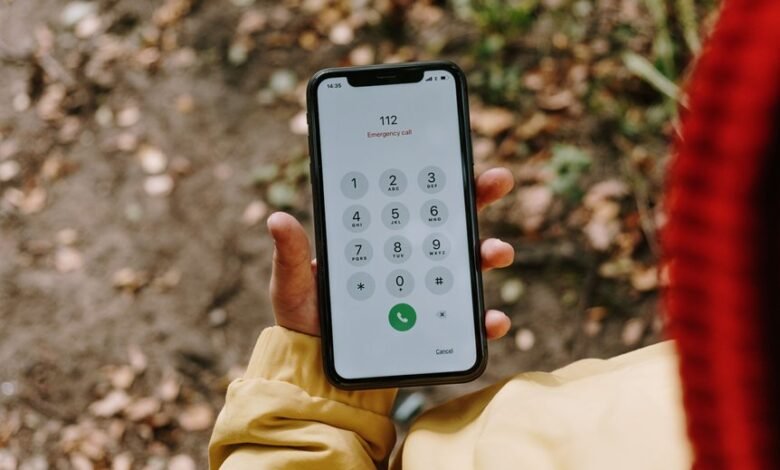
Telephone contact search involves methodically identifying numbers such as 438 800 2357 and 5122567574, among others, and establishing their ownership and context. The process requires decoding formats, cross-referencing credible sources, and verifying legitimacy. A disciplined workflow reduces risk, preserves privacy, and supports auditable outreach. The topic invites practical tactics and tool choices, but also highlights governance considerations. The discussion ends with a need to assess next steps and practical implementations.
What Telephone Contact Search Is and Why It Matters
A telephone contact search is a systematic process used to locate and verify phone numbers and the associated information of individuals or organizations.
It describes methods, sources, and verification steps, emphasizing accuracy and accountability.
The practice raises privacy considerations and data ethics questions, balancing transparency with protection.
Proper governance ensures compliant data use, minimizes risk, and supports informed decisions for users seeking freedom and control.
Decoding Real-World Numbers: 438 800 2357, 5122567574, and Beyond
Decoding real-world numbers requires a disciplined approach to interpret digits, prefixes, and contextual signals that indicate origin, ownership, and usage.
The discussion focuses on decoding numbers and contact mapping across formats like 438 800 2357 and 5122567574, illustrating how area codes, toll-free prefixes, and digit patterns help categorize sources, routes, and relevance, while maintaining rigorous, freedom-friendly, analytical clarity.
Proven Tactics to Verify and Map Numbers to People or Businesses
Proven tactics to verify and map numbers to people or businesses rely on a methodical, multi-source approach that minimizes risk and enhances accuracy.
The process emphasizes corroboration, cross-referencing public records, and verifiable identities.
Adherence to search ethics and data accuracy standards ensures legitimacy, reduces misidentification, and preserves privacy.
Systematic checks—updated databases, consent considerations, and transparent provenance—support reliable, freedom-compatible contact mapping.
Tools, Tips, and Privacy: Build a Safe Contact-Finding Workflow
In pursuing a safe contact-finding workflow, practitioners adopt a structured toolkit of verified search methods, privacy safeguards, and accountability measures. The approach emphasizes transparent sourcing, consent-aware querying, and auditable processes. Techniques prioritize data minimization, minimize exposure, and restrict collection to relevance. Safeguards include access control and secure storage, while periodic reviews ensure compliance and resilience against misuse, preserving user autonomy and trust.
Frequently Asked Questions
How Accurate Are Reverse Lookup Results by Country?
Reverse lookup accuracy by country varies; it tends to be higher in some regions and lower in others. The two word discussion ideas conform to data quality, update frequency, and regulatory access, shaping overall reliability and user trust for results.
Can Numbers Be Spoofed During Verification Processes?
Yes, numbers can be spoofed during verification processes. Spoofing risks exist; verification limitations include reliance on caller ID, SMS, or voice prompts. A methodical approach emphasizes multi-factor checks and independent corroboration to preserve user freedom.
Do I Need Consent to Search Personal Contact Details?
Consent requirements vary by jurisdiction; generally, explicit consent is advised before accessing or sharing personal contact details. Privacy implications include potential data misuse and legal risk, emphasizing transparent purposes, minimization, and secure handling to protect individual autonomy.
Which Jurisdictions Restrict Contact-Search Activities?
Several jurisdictions restrict contact-search activities; data privacy laws vary by country and region, with strict cross border compliance required. Practical uptake requires delineating consent, purpose limitation, and proportionality to protect personal information and civic freedoms.
How Quickly Can a Verified Result Be Updated?
Can updates occur instantly? A quick update is possible, yet verification cadence governs pace. Data freshness derives from policy limits, ensuring thorough checks before release, so updates proceed methodically while preserving accuracy and user freedom in a compliant framework.
Conclusion
In the quiet cadence of meticulous search, the numbers finally yield their stories—but only after rigorous cross-checking, consent-driven taps at every step. The methodical routine of decoding, verifying, and mapping builds a trustworthy map from digits to destinations. Yet each result whispers of responsibility: privacy protected, governance observed, auditable trails left intact. As the final number resolves, the discipline remains the true payoff, hinting that accuracy, not speed, safeguards connections and trust. Suspense lingers in the ethical edge of disclosure.


