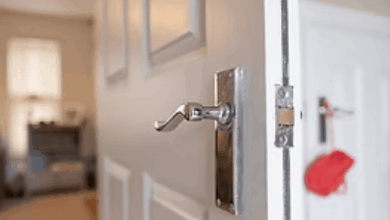

When planning a home improvement project, most homeowners focus on large, eye-catching upgrades flooring, wall colors, lighting or furniture. Yet one of the most influential details in any interior is often overlooked: door hardware. Thoughtfully chosen hardware does more than open and close a space. It affects security, design cohesion, comfort and even the way rooms flow together.
Among the many hardware elements, door handles play a surprisingly important role. Their style, shape and functionality quietly shape a homeowner’s daily experience while contributing to the overall aesthetic of a room.
The Role of Door Hardware in Modern Interior Design
Interior designers increasingly view door hardware as an essential part of a room’s architectural language. In homes that embrace minimalism, hardware often acts as a subtle accent with clean lines, matte finishes and understated silhouettes. In more traditional or rustic interiors, the detailing on knobs, levers and backplates adds texture and visual warmth.
Because hardware is present in every room, the choices made in this category influence the home’s sense of cohesion. Consistent finishes help tie rooms together, while deliberate contrasts can highlight transitions such as moving from a neutral living room into a darker, more intimate study.
Functionality Before Aesthetics
While appearance matters, homeowners benefit most when functionality guides their decisions. For example:
- Lever handles are easier to use for children, seniors and people with limited mobility.
- Knobs offer more resistance, which may be useful for areas that require an extra layer of control.
- Privacy hardware is essential for bathrooms and bedrooms, while passage sets suit hallways and utility rooms.
- Heavy-duty options add long-term durability for high-traffic areas like main entrances and frequently used interior doors.
Practical considerations like these shape everyday comfort far more than most people realize.
Material and Finish Trends
Hardware finishes have expanded far beyond classic stainless steel or polished brass. Homeowners now experiment with:
- Matte black for clean, modern designs
- Brushed nickel for a softer, contemporary look
- Antique bronze for traditional or vintage-inspired interiors
- Satin brass for warm, luxurious styling
- Minimalist aluminum for cost-effective, lightweight doors
The right finish can complement door color, wall texture, lighting temperature and the overall interior palette.
DIY Tips for Upgrading Door Hardware
Replacing outdated or mismatched hardware is a manageable DIY project, even for those with limited experience. Some practical tips include:
- Check backset size and door thickness before purchasing any hardware. These measurements ensure the new pieces fit correctly without modification.
- Use a template when installing new latch assemblies to maintain proper alignment.
- Tighten all screws by hand at the end of installation to prevent stripping and ensure a smooth handle action.
- Keep all components organized during replacement spindles, screws, latches and plates should remain grouped for easy reassembly.
- Test the door swing and latch engagement before final tightening to avoid friction or misalignment.
A small project like upgrading hardware can dramatically refresh a space without major renovations.
See also: Elevate Your Home with Quality Home Remodeling Supplies in the Dallas-Fort Worth Area
Enhancing Security with Better Hardware
Beyond aesthetics, hardware supports the home’s safety. High-quality deadbolts, reinforced strike plates and solid-metal handles increase resistance to forced entry. Many homeowners also choose hardware that supports smart locking systems, combining traditional strength with modern convenience.
When selecting security hardware, it helps to reference reliable resources that offer technical details and installation guidance. Sites specializing in architectural hardware often provide useful information for homeowners researching different types of components or maintenance tips.
Why Small Details Make a Big Impact
One of the reasons door hardware is so transformative is its frequency of use. Handles, latches and locks are touched dozens of times each day. When well-designed, they provide a quiet sense of quality, consistency and ease. When poorly chosen or mismatched, they create visual clutter and functional frustrations.
Thoughtful hardware upgrades offer:
- Improved user experience through smoother handling and better ergonomics
- Better room transitions with consistent or purposely contrasted designs
- Longevity through durable construction and wear-resistant finishes
- A refined appearance that enhances even older homes
Making Informed Choices for Your Home
Home improvement isn’t only about large transformations. Sometimes, the most meaningful upgrades start with small, intentional decisions. By considering design, functionality and durability, homeowners can select hardware especially door handles that elevates both the appearance and everyday comfort of their living spaces.
Resources that focus on architectural hardware can help readers explore different options, understand installation requirements and learn about the materials best suited to their projects. Using these references as part of the planning process supports better, more informed home improvement decisions.