
Caller Information Search: 3237460973, 8777628769, 877-652-4724, 833-486-0392, 616-464-8000, 8564837958, 310-999-2879, 214-717-3177, 8442677109, 1132248562, 404-865-3245

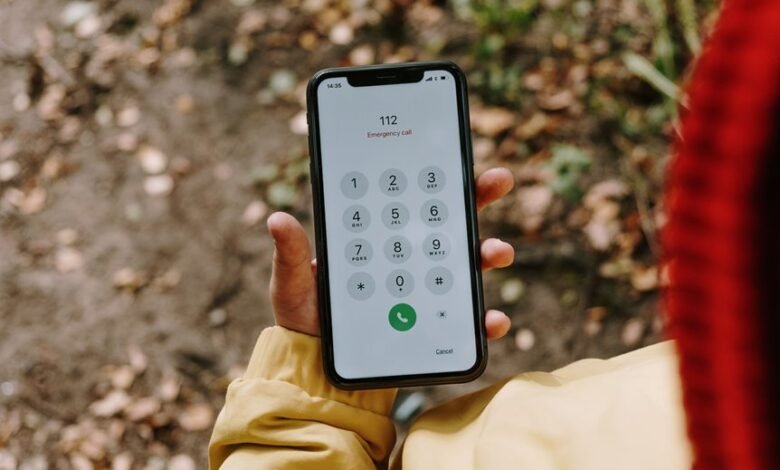
Caller Information Search for listed numbers involves cataloging sender identifiers, routing rules, and call metadata to characterize and route incoming calls while prioritizing privacy. Verification against official registries and public databases assesses legitimacy and provider credibility. Historical patterns reveal prior activity for accountability, with real-time detection cross-referencing trusted blacklists and whitelists to flag anomalies. Privacy-preserving practices use data minimization and transparent tagging to support insight without compromising user rights.
What Caller Information Search Reveals About Your Calls
Caller information search reveals how incoming calls are characterized and routed within a communication system. It catalogues sender identifiers, routing rules, and call metadata, illustrating operational transparency while highlighting potential exposure. Privacy safeguards and data ethics influence handling practices. The portrayal emphasizes minimal intrusion, secure storage, and responsible disclosure, encouraging systems to balance accessibility with user autonomy and lawful oversight.
How to Verify Numbers: 3237460973, 8777628769, 877-652-4724, 833-486-0392, and More
Verifying listed numbers, such as 3237460973, 8777628769, 877-652-4724, and 833-486-0392, involves cross-checking caller IDs against reputable sources, assessing country and area codes, and confirming service provider legitimacy.
Verification methods include consulting official registries and public databases.
Caller history review reveals prior patterns, connections, and anomalies, aiding discernment while maintaining user privacy and freedom from intrusive practices.
Robust documentation ensures transparency and accountability.
Spotting Scams and Telemarketing Patterns in Real Time
Real-time detection of scams and telemarketing patterns relies on rapid pattern recognition, anomaly scoring, and cross-referencing call metadata with trusted blacklists and whitelists.
The approach prioritizes objective signals, scalable filtering, and transparent criteria.
Analysts monitor for blocked numbers and rising similarity to realistic scams, enabling proactive blocking, user alerts, and safer consent-based communication in a freedom-respecting ecosystem.
Protecting Your Privacy While Staying Informed
Protecting privacy while staying informed requires a disciplined balance between data minimization and accessible information. Developers and users should weigh privacy aspects against practical insight, employing data minimization to limit exposure while preserving usefulness. Transparency and consent guide collection, use, and tagging. Contact tagging and caller reputation inform call analytics, yet protection remains paramount, ensuring freedom without unnecessary intrusion.
Frequently Asked Questions
Can I Trace a Caller’s Location in Real Time?
Real time tracing of a caller’s location is typically restricted; authorities may access live data. Individuals cannot reliably trace unknown numbers; beware scam networks and legal limits.
Do These Numbers Belong to a Single Company or Scam Network?
The numbers appear to be unrelated, suggesting no single company or scam network binds them. This discussion idea 1 centers on random linking, while discussion idea 2 emphasizes independent actors and varied motives, not a unified operation.
How Accurate Are Reverse Lookup Results Across Providers?
Reverse lookup accuracy varies: studies show provider discrepancies can skew results by up to 25%. Users should anticipate inconsistent data across providers, impacting reliability of contact details. Consequently, reverse lookup reliability remains imperfect, demanding independent verification.
Are There Legal Limits to Blocking Persistent Calls?
Blocking persistent calls: legal limits exist, varying by jurisdiction; authorities may require tracing caller: real time locations under strict procedures, while providers often offer blocking, reporting, and harassment remedies to protect rights and privacy without overreach.
What Are Safe Steps to Report Suspicious Numbers?
Reporting suspicious numbers should be done through official reporting channels; practitioners catalog scam indicators, document caller details, and preserve evidence. The approach remains precise, lawful, and accessible, empowering individuals to act peacefully while safeguarding transparency and personal freedom.
Conclusion
Numbers are cataloged for legitimacy and routing, while privacy measures minimize data exposure. Verification against registries contrasts with real-time blacklist flags. Historical patterns offer accountability, yet anonymity remains protected through data minimization. Juxtaposed scenes: a trusted registry vs. a shadowy list; clear call metadata side by side with sparse personal detail. The result is informed vigilance that guards both accuracy and rights, guiding decisions without revealing more than necessary.


