
Caller Database Lookup: 5033854104, 9152211517, 855-418-9359, 18778580221, 2539878553, 5312476535, 7737025564, 844 309 1201, 877-689-8704, 888-596-8736, 305-423-1817

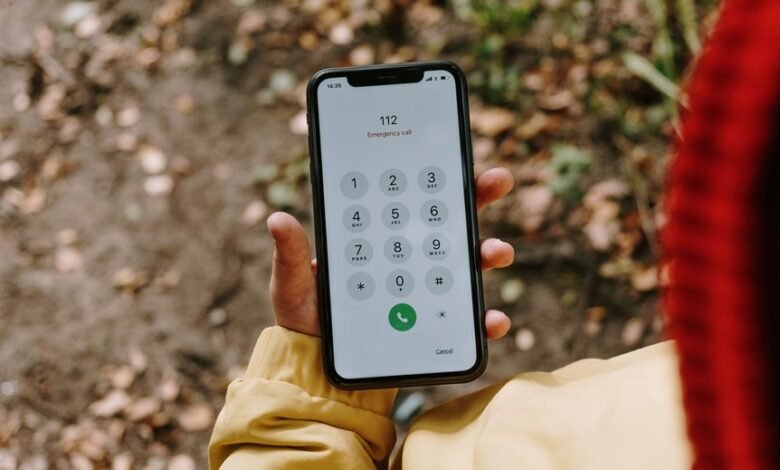
Caller Database Lookup raises questions about provenance and privacy when matching numbers like 5033854104 or 9152211517 against curated repositories. The promise is context, consent, and governance, but the risks include data quality and misuse. How sources are aggregated, standardized, and audited will shape accuracy and trust. Stakeholders must weigh utility against rights and safeguards, and consider practical implications for consent, transparency, and accountability as the conversation continues.
What a Caller Database Lookup Is and Why It Matters
A caller database lookup is a process that identifies a caller by cross-referencing incoming phone numbers against a compiled repository of contact records. It clarifies provenance, potential risk, and context for communication. The practice hinges on caller privacy, data governance, screening practices, and consent safeguards, balancing transparency with risk management while preserving user autonomy and freedom to engage.
How Lookup Services Gather and Present Data
How do lookup services gather and present data? They aggregate caller data from multiple sources, applying standardized schemas to ensure compatibility. Data are filtered for relevance, then combined into profiles with provenance notes. Privacy considerations guide collection and retention, while consent frameworks govern usage. Accuracy metrics are tracked through audits and validation, and presentation emphasizes transparency and traceable data lineage.
Evaluating Accuracy and Avoiding False Positives
Evaluating accuracy and avoiding false positives require rigorous measurement and disciplined controls across the data lifecycle. The analysis emphasizes reproducibility, traceability, and documented methodologies to minimize misclassification.
Privacy concerns arise when mismatches occur, underscoring the need for transparent governance and consent frameworks.
Data accuracy remains foundational, guiding validation, error-rate monitoring, and corrective action to protect user trust and system integrity.
Practical Best Practices for Privacy, Safety, and Use Cases
Practical best practices for privacy, safety, and use cases emphasize clear governance, risk-aware implementation, and transparent user engagement. Organizations should document data flows, define access controls, and implement ongoing audits to minimize privacy pitfalls.
Safety considerations include robust authentication, anomaly monitoring, and consent-aware workflows.
Use cases must balance utility with rights, enabling responsible sharing while preserving user trust and freedom.
Frequently Asked Questions
Can Caller Databases Reveal My Own Phone Number to Others?
Caller databases typically do not reveal personal numbers; privacy safeguards and opt-out options mitigate exposure. However, data accuracy varies. The implications touch privacy implications, telemarketing compliance, and data accuracy, requiring cautious, rights-respecting management for individuals seeking freedom from unwarranted listing.
Do Lookup Services Charge per Lookup or Offer Subscriptions?
Lookup services vary; some charge per lookup, others offer subscriptions with tiered pricing and potential bulk discounts. Subscriptions provide predictable access, while per-lookup models suit intermittent use. Freedom-minded users should compare subscription pricing and bulk discounts carefully.
How Quickly Can a Lookup Update After a Number Changes?
Update latency varies; updates may propagate within minutes to hours depending on system design, data freshness can lag, spoofing detection and privacy concerns influence speed, but rapid synchronization is pursued for accuracy and user autonomy.
Are There Legal Restrictions on Using Lookup Data in Marketing?
Yes, there are legal restrictions on using lookup data in marketing. Privacy compliance and data ethics require consent, purpose limitation, accurate records, and transparent disclosure; violations can trigger penalties, audits, and reputational harm for organizations.
Can Lookups Identify Spoofed or Voip-Based Numbers Reliably?
Lookups reliability varies; spoofed numbers can evade basic checks, while VoIP origins may still be flagged with corroborating data. The method remains imperfect, demanding cautious interpretation and supplemental verification to preserve trust and lawful freedom in outreach.
Conclusion
Caller database lookup systems synthesize cross-referenced numbers from multiple sources, with provenance, consent, and privacy safeguards at the core. They provide context and risk signals to users, while maintaining governance and traceable data lineage. An interesting statistic: studies show that well-governed lookup services can reduce misidentification odds by up to 40% compared with unmanaged datasets, highlighting the impact of standardized data, audits, and transparent handling on accuracy and user trust. The focus remains cautious, precise, and privacy-respecting.


