
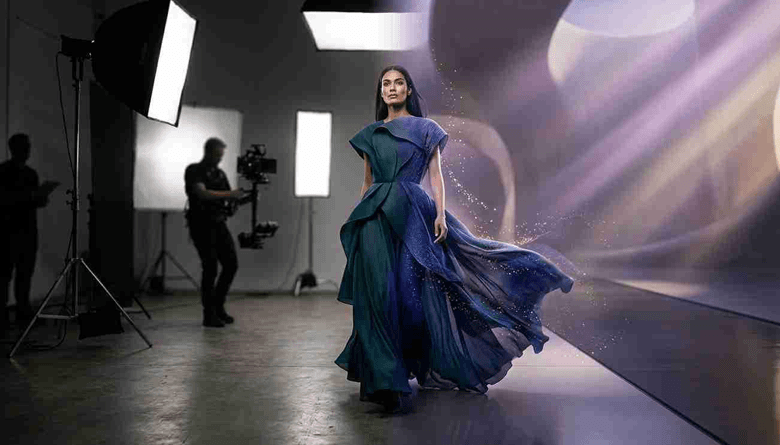
The fashion industry has always been driven by visuals. From glossy magazine spreads to meticulously curated runway shows, brands have relied on high-production imagery to tell their stories. Among these, lookbook shoots have historically played a crucial role serving as seasonal showcases of collections, aesthetics and brand identity.
But that model is rapidly changing.
Today, artificial intelligence, particularly AI-driven video generation is reshaping how fashion brands conceptualize, produce and distribute their content. What once required expensive studios, large crews, models, stylists and weeks of post-production can now be created digitally in a fraction of the time.
This transformation isn’t just about cost-cutting, it’s about unlocking new creative possibilities, scaling content faster and adapting to a digital-first audience that expects motion, not static imagery.
The Shift from Static Lookbooks to Dynamic Visual Storytelling
Traditional lookbooks were built for print and static digital formats. They focused on carefully composed images that highlighted garments in controlled environments. While visually stunning, they lacked motion, context, and narrative depth.
Modern audiences, however, consume content differently. Social media platforms prioritize video. Short-form clips, reels and dynamic storytelling formats dominate engagement metrics. Static lookbooks struggle to compete in this environment.
This is where AI video enters the picture.
Instead of photographing a model wearing a collection, brands can now generate entire video sequences that simulate movement, lighting, environments and even human expressions. The result is a more immersive experience, one that aligns with how consumers explore fashion today.
For marketers and creators, this means moving beyond photography into scalable video storytelling without traditional production constraints.
Why Lookbook Shoots Are Becoming Obsolete
There are several structural reasons why brands are moving away from traditional lookbooks:
1. High Production Costs
Studio rentals, equipment, creative teams, travel logistics, and post-production editing can cost thousands, even for small campaigns.
2. Time Constraints
Planning and executing a shoot can take weeks. In fast-moving fashion cycles, this delay can reduce relevance.
3. Limited Output
A single shoot produces a fixed set of images. Repurposing them for multiple platforms often feels repetitive.
4. Lack of Personalization
Traditional shoots create one narrative for all audiences. Today’s consumers expect tailored content.
AI video solves all of these challenges simultaneously.
AI Video: A New Creative Engine for Fashion
At its core, ai video generator allows brands to create lifelike visual content using algorithms trained on massive datasets. These tools can generate models, backgrounds, lighting effects and motion, all digitally.
This opens the door to:
- Virtual models wearing digital garments
- Infinite variations of the same scene
- Real-time editing and iteration
- Platform-specific video formats
More importantly, it enables Fashion — seasonal content without studio shoots, allowing brands to stay agile and responsive to trends without physical limitations.
How Brands Are Using AI Video in Practice
1. Virtual Lookbooks in Motion
Instead of static pages, brands are creating fully animated lookbooks. Garments flow naturally, fabrics react to movement and scenes shift dynamically, offering a richer presentation.
2. Rapid Campaign Testing
AI allows marketers to generate multiple versions of a campaign quickly. Different colors, backgrounds and styles can be tested before committing to a final direction.
3. Social Media-First Content
Short-form video formats are now the default. With an ai video generator, brands can create reels, ads and teasers tailored to each platform without reshooting content.
4. Hyper-Personalized Visuals
AI enables localized and personalized content. A brand can generate videos that reflect different cultures, climates or audience preferences all from the same dataset.
See also: Understanding Premium Term Life Insurance
The Role of Higgsfield in AI Video Transformation
Among the emerging tools in this space, Higgsfield is gaining attention for its ability to simplify high-quality AI video creation for brands and creators alike.
By using an intuitive ai video generator, businesses can produce cinematic visuals without requiring technical expertise. This is especially valuable for:
- Freelance marketers managing multiple clients
- Small business owners with limited budgets
- Content creators building faceless video channels
This kind of tool allows users to generate professional-grade video content quickly making it easier to replace traditional lookbook shoots with scalable digital alternatives.
Creative Freedom Without Physical Constraints
One of the biggest advantages of AI video is creative flexibility.
In traditional shoots, you’re limited by:
- Location availability
- Weather conditions
- Model schedules
- Budget constraints
With an ai video generator, those limitations disappear.
Want a desert runway at sunset? A futuristic cityscape? A surreal dreamlike environment? All of it can be created digitally.
This empowers brands to experiment more boldly without the risk associated with physical production.
Speed as a Competitive Advantage
In fashion, timing is everything.
Trends evolve rapidly, and brands that can respond quickly gain a significant edge. AI video enables near-instant content production, allowing teams to:
- Launch campaigns faster
- React to viral trends
- Update visuals in real time
For marketers, this means shifting from planned campaigns to adaptive content strategies.
Using an ai video generator, teams can produce and publish content within hours instead of weeks.
Scaling Content Without Scaling Costs
Content demand has exploded. Brands need visuals for:
- TikTok
- YouTube
- E-commerce platforms
- Email campaigns
Creating unique content for each channel traditionally required significant resources.
AI changes that.
With tools like Higgsfield, a single concept can be expanded into multiple video formats, each optimized for a specific platform. This scalability is a game-changer for both small businesses and large enterprises.
The Rise of Video-First Fashion Marketing
The shift toward video isn’t accidental, it’s driven by audience behavior.
Consumers engage more with motion, storytelling, and immersive visuals. According to how AI is transforming media production, the integration of AI into content workflows is accelerating this transition toward video-centric strategies.
For fashion brands, this means rethinking how collections are presented. Instead of static catalogs, the focus is shifting to:
- Narrative-driven campaigns
- Interactive visual experiences
- Continuous content streams
An ai video generator becomes the backbone of this new approach.
Empowering Small Teams and Solo Creators
One of the most significant impacts of AI video is democratization.
Previously, high-quality fashion content was accessible only to brands with large budgets. Now, freelancers, solopreneurs, and small teams can compete on a similar visual level.
With an ai video generator, a single person can:
- Conceptualize a campaign
- Generate visuals
- Edit and publish content
This levels the playing field and opens new opportunities for independent creators.
Sustainability and Ethical Considerations
Traditional fashion shoots often involve travel, material waste and high energy consumption.
AI-generated video offers a more sustainable alternative by reducing the need for:
- Physical sets
- Transportation
- Resource-intensive production
While there are still ethical considerations around AI usage, many brands see this shift as a step toward more responsible content creation.
Challenges and Limitations
Despite its advantages, AI video is not without challenges:
1. Authenticity Concerns
Some audiences may prefer real-world visuals over generated ones.
2. Learning Curve
While tools are becoming more user-friendly, there’s still a need to understand how to guide AI effectively.
3. Creative Saturation
As more brands adopt AI, standing out will require stronger storytelling not just better visuals.
That said, platforms like Higgsfield are continuously improving, making it easier to produce distinctive and high-quality content.
What This Means for the Future of Fashion Marketing
The replacement of traditional lookbook shoots isn’t just a trend, it’s a fundamental shift.
In the coming years, we can expect:
- Fully virtual fashion campaigns
- AI-generated influencers and models
- Real-time content adaptation based on audience data
The role of the marketer will evolve from managing production logistics to directing creative vision.
And at the center of this transformation is the ai video generator, a tool that enables speed, scale, and creativity like never before.
Practical Takeaways for Marketers and Creators
If you’re looking to adopt AI video in your workflow, here’s where to start:
1. Experiment Small
Use an ai video generator to create short-form content before scaling to full campaigns.
2. Focus on Storytelling
AI handles visuals but narrative still drives engagement.
3. Optimize for Platforms
Create variations tailored to different channels using the same base content.
4. Iterate Quickly
Test multiple versions and refine based on performance.
Conclusion
The fashion industry is entering a new era, one where creativity is no longer limited by physical production.
AI video is not just replacing traditional lookbook shoots; it’s redefining how fashion is presented, consumed and experienced.
For marketers, businesses, and creators, this shift offers an unprecedented opportunity to produce high-quality, scalable content without the traditional barriers.
Tools like Higgsfield are making this transition more accessible, enabling anyone to leverage an ai video generator to bring their ideas to life.
As video continues to dominate digital platforms, those who embrace AI-driven workflows will be better positioned to stay relevant, competitive and creatively ahead.
The future of fashion storytelling is no longer confined to studios, it’s being generated, frame by frame, through intelligent systems designed for speed, scale and imagination.