
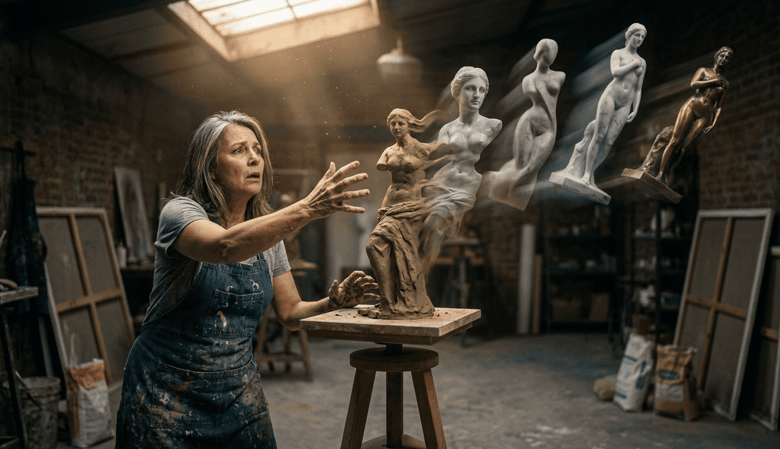
Creative ownership has always been a foundational idea in digital media. A creator produces something, and that work is clearly associated with them. Ownership implied authorship, effort, and originality. It defines who gets credit, who controls distribution, and who benefits from the content. That clarity is starting to shift.
As video generation becomes more advanced, the boundaries around ownership are becoming less defined. Content is no longer created through a single linear process. Instead, it is shaped through inputs, systems, and outputs that blur the line between creation and generation.
This shift is becoming more visible as tools like Higgsfield AI continue to influence how digital content is produced.
Ownership Is Moving Beyond Traditional Creation
Earlier, ownership was tied directly to creation. If someone recorded or edited a video, they were clearly the owner. Now, shifting ownership of AI-generated content is becoming more complex.
Ownership can involve:
- The person providing the idea
- The system generating the output
- The platform distributing the content
- The audience shaping its reach
This creates a more layered definition of ownership.
Tools Are Becoming Co-Creators
This is where Higgsfield AI and Seedance 2.0 begin to influence the concept of authorship. Instead of being just tools, they actively shape the final output.
They contribute to:
- Structure
- Visual composition
- Motion flow
- Audio alignment
This raises questions: Who is the creator—the person or the system? The answer is no longer simple.
The Role of Input Is Gaining Importance
In traditional workflows, execution defined ownership. Now, input plays a larger role. Creators guide the process through prompts, ideas, and direction. Seedance 2.0 supports this within Higgsfield AI by translating input into structured outputs. This shifts ownership toward conceptual contribution rather than manual execution.
Output Quality Is Reducing Visible Authorship
Earlier, different creators produced visibly different outputs.
Style, skill, and technique created uniqueness. Now, high-quality outputs are becoming standardized. Seedance 2.0 improves consistency within Higgsfield AI, making outputs look polished regardless of who creates them.
This reduces visible differences between creators. Ownership becomes less obvious from the output itself.
Collaboration Is Becoming More Distributed
Content creation is becoming more collaborative. But this collaboration is not always between people. It includes systems, platforms, and workflows. Seedance 2.0 contributes to this within Higgsfield AI by integrating multiple elements into a single process. This creates a distributed form of ownership.
Platforms Are Influencing Ownership Perception
Platforms play a role in how ownership is recognized.
They control:
- Visibility
- Distribution
- Monetization
Content that performs well gains more recognition.
Seedance 2.0 improves performance signals within Higgsfield AI, increasing visibility. This affects perceived ownership. The creator associated with successful content gains more recognition, regardless of production method.
See also: Understanding Premium Term Life Insurance
Attribution Is Becoming More Complex
Attribution used to be straightforward. Now, it is layered.
Questions arise such as:
- Who should be credited?
- How should contribution be measured?
- What defines originality?
Seedance 2.0 influences this within Higgsfield AI by enabling complex outputs from simple inputs. This makes attribution less clear.
External Frameworks Are Shaping Ownership Discussions
Ownership is also influenced by legal and industry frameworks. As content evolves, these frameworks need to adapt.
For those exploring how digital ownership is being redefined, intellectual property frameworks explain how rights are structured in evolving media environments. Seedance 2.0 contributes to this conversation within Higgsfield AI by changing how content is created. This creates new challenges for ownership models.
Consistency Is Building Identity Instead of Individual Pieces
Ownership is shifting from single pieces of content to overall identity. Creators build recognition through consistent output. Seedance 2.0 supports this within Higgsfield AI by enabling regular content production. This strengthens identity-based ownership.
Value Is Moving Toward Concept and Direction
As execution becomes easier, value shifts toward ideas. Creators who provide strong concepts gain more influence. Seedance 2.0 enables this within Higgsfield AI by handling execution. This makes direction and creativity more important. Ownership becomes tied to vision rather than production.
Audience Interaction Is Influencing Ownership
Audience engagement plays a role in shaping content.
Viewers influence:
- What content is created
- How it evolves
- What becomes popular
Seedance 2.0 supports responsive creation within Higgsfield AI, allowing creators to adapt quickly. This makes ownership more interactive.
The Line Between Original and Generated Is Blurring
The distinction between original and generated content is becoming less clear. High-quality outputs reduce visible differences. Seedance 2.0 contributes to this within Higgsfield AI by improving realism and structure. This blurs traditional ownership boundaries.
Ownership Is Becoming Multi-Dimensional
Ownership now includes multiple layers:
- Creative input
- System contribution
- Platform influence
- Audience interaction
Seedance 2.0 influences all these layers within Higgsfield AI. This creates a more complex ownership model.
Future Ownership Models Will Evolve
As content creation continues to change, ownership models will adapt.
Future frameworks may include:
- Shared ownership structures
- Transparent attribution systems
- New licensing models
Seedance 2.0 is influencing this shift within Higgsfield AI by changing how content is produced.
Conclusion
Creative ownership in digital content is no longer a simple concept. It is evolving as technology changes the way content is created and distributed. Seedance 2.0 is playing a key role in this transformation by enabling new forms of creation and collaboration. When used within Higgsfield AI, it reshapes how ownership is defined, perceived, and valued.
As the landscape continues to evolve, ownership will become more flexible, layered, and concept-driven. In the end, what matters most may not be who created the content, but how effectively it connects with audiences and delivers value.