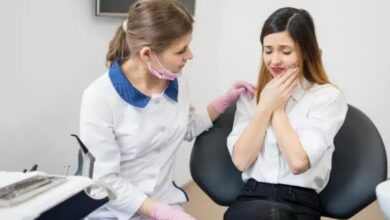

The healthcare industry offers a multitude of opportunities for individuals interested in making a positive impact on people’s lives. One of the fastest-growing fields within this sector is nursing. With an array of nurse jobs available, individuals can choose from various specialisations that match their skills and interests.
Nursing offers a career that is not only rewarding in terms of personal satisfaction but also offers stability and growth prospects. As the demand for healthcare services increases, so does the need for skilled nursing professionals across different levels and specialisations.
The Role of Nurses in Healthcare
Nurses play a crucial role in the healthcare system. They are often the primary caregivers, offering direct patient care, emotional support, and vital health information. The significance of their role extends beyond clinical settings as they are involved in research, healthcare management, and education.
The scope of nursing extends beyond hospitals. Nurses can work in public health agencies, outpatient clinics, nursing care facilities, and even schools. This variety in work environments allows nurses to find a niche that suits their lifestyle and preferences.
Diverse Career Paths in Nursing
The field of nursing is incredibly diverse. Some nurses choose to work in specialised areas such as paediatrics, geriatrics, oncology, or emergency care. These specialties allow nurses to focus on specific patient populations or types of medical conditions, thereby honing their expertise.
Other nurses may opt for non-clinical roles that focus on health policy, administration, or education. Advanced practice registered nurses (APRNs), including nurse practitioners, clinical nurse specialists, certified nurse-midwives, and nurse anaesthetists, take on more responsibilities and often provide services similar to those of a doctor.
Educational Requirements for Nurses
The educational pathway to a nursing career varies depending on the desired role. Generally, becoming a registered nurse (RN) requires obtaining a diploma, an associate degree in nursing (ADN), or a Bachelor of Science in Nursing (BSN). Further educational pursuit into master’s or doctoral degrees opens doors to advanced practice roles and other specialisations.
Continuous professional development is essential in nursing, with many roles requiring certification and ongoing education to stay updated with medical advancements and changing patient care protocols.
The Growing Demand for Nurses
Due to the aging population and increased focus on preventive care, the demand for nurses continues to rise. The Bureau of Labour Statistics predicts a steady increase in nurse employment opportunities, making it a secure career choice.
This growing demand is also reflected in the expanding scope of practice for nurses. Many healthcare systems are redefining roles to allow nurses to provide more comprehensive care, thus making the profession even more vital to the healthcare delivery system.
See also: Functional Medicine Doctor Dubai The Rise of Personalized Health and Modern Healing
The Benefits of a Nursing Career
Nursing offers numerous benefits, including job flexibility, competitive salaries, and the opportunity for advancement. Nurses often have the option to work in various shifts, which can provide a work-life balance that few other professions offer.
Moreover, nurses have the opportunity to specialise and move into managerial roles or transition into roles in research and healthcare policymaking, offering a rich career trajectory.
Challenges in the Nursing Profession
Despite the rewards, nursing is not without its challenges. Nurses often face physically and emotionally demanding situations, including work-related stress due to long hours and high patient loads. However, these challenges often come with the territory of the vital role nurses play in patient care and outcomes.
Nurses are often advocates for both the patients and the profession, necessitating an ability to navigate complex healthcare systems and continuously add to their skill set.
Job Outlook and Career Advancement
The outlook for nursing careers remains robust. According to recent surveys, the nursing workforce is expected to grow significantly in the coming years. This trend is driven by an aging population, advances in healthcare, and an ongoing emphasis on preventive care.
Nurses have avenues for advancement through further education and certification in specialised areas, which can lead to roles in leadership, education, and healthcare consultancy.
Conclusion
The field of nursing offers a dynamic career path that is both fulfilling and diverse. With a variety of nurse jobs available, individuals are presented with opportunities to grow professionally while contributing positively to society. As the demand for dedicated healthcare professionals continues to increase, nursing remains a viable and rewarding career option.
Overall, pursuing a career in nursing not only offers a secure and fulfilling professional journey but also paves the way for making a meaningful difference in the healthcare landscape.