
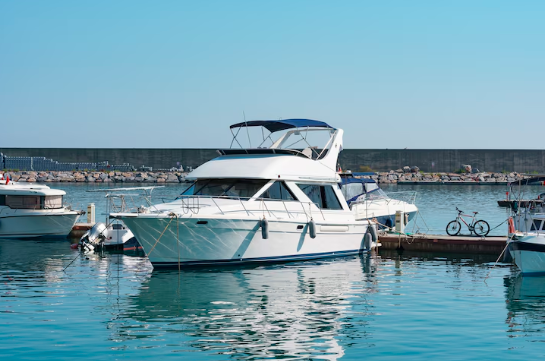
In recent years, there has been a noticeable shift in how people approach boating. While traditional boat ownership has long been considered the quintessential American pastime, a growing number of individuals and families are opting for boat club memberships instead. This trend is not merely a fleeting fad; it is a reflection of changing lifestyles, economic considerations, and a desire for hassle-free recreational experiences. In this article, we will explore the reasons behind the rise of boat clubs, the benefits they offer, and how they are reshaping the boating landscape.
Understanding Boat Clubs
A boat club in Florida offers members access to a fleet of boats without the hassle of ownership. With locations across the state, these clubs provide a convenient and cost-effective way to enjoy boating year-round. Members can reserve boats for personal use, often with the convenience of online booking systems. These clubs typically offer a range of vessels, from motor boats and sailboats to pontoons and fishing boats, catering to various interests and skill levels. Unlike traditional ownership, where the onus of maintenance, storage, and insurance falls on the owner, boat clubs handle these responsibilities, allowing members to focus on enjoying their time on the water.
See also: A Guide to Enjoying Cost-Effective Premium Entertainment at Private Lounges
The Financial Appeal
One of the most compelling reasons for the rise of boat clubs is financial practicality. The cost of owning a boat can be prohibitively high; according to a report by the National Marine Manufacturers Association (NMMA), the average annual cost of boat ownership, including maintenance, insurance, storage, and fuel, can easily exceed $10,000. In contrast, boat club memberships often range from $2,000 to $5,000 per year, making it a more affordable option for recreational boating. This financial relief is particularly appealing to younger generations who prioritize experiences over material possessions.
Convenience and Accessibility
Convenience is another significant factor contributing to the rise of boat clubs. Owning a boat requires a considerable investment of time, from maintenance and cleaning to preparing for outings. Boat clubs eliminate these burdens, allowing members to book a boat and head out on the water with minimal preparation. Moreover, many boat clubs are strategically located near popular waterways, providing easy access to a variety of boating experiences. This accessibility encourages spontaneous outings and makes it feasible for busy families or professionals to enjoy boating without the long-term commitment.
A Diverse Range of Options
Boat clubs offer a diverse array of vessels, catering to different interests and activities. Whether a member is interested in fishing, sailing, water sports, or simply cruising, there is typically a boat available to suit their needs. This variety allows members to try out different types of boating experiences without the long-term commitment of purchasing various vessels. For instance, a family may enjoy a pontoon boat for leisurely lake outings while having access to a fishing boat for weekend excursions. This flexibility is a significant draw for many prospective members.
Social Aspects and Community Building
Boat clubs also foster a sense of community among members. Many clubs organize social events, group outings, and educational workshops, creating opportunities for members to connect with like-minded individuals. This social aspect can be particularly appealing for families looking to forge new friendships or for individuals seeking a supportive environment to enhance their boating skills. The camaraderie that develops within these clubs can enhance the overall boating experience, making it more enjoyable and enriching.
Environmental Considerations
As awareness of environmental issues grows, many boaters are becoming more conscious of their ecological footprint. Boat ownership often entails higher emissions and increased wear and tear on waterways. By opting for a boat club membership, individuals can reduce their environmental impact. Boat clubs often implement sustainable practices, such as maintaining their fleets to high environmental standards and promoting responsible boating practices among members. This focus on sustainability resonates with eco-conscious consumers who want to enjoy recreational boating while minimizing their impact on the environment.
Technology and Innovation
The rise of technology has also played a pivotal role in the growth of boat clubs. Many clubs have adopted advanced booking systems, mobile apps, and GPS-enabled boats that enhance the member experience. These technological advancements simplify the process of reserving a boat, providing real-time availability and improving the overall efficiency of the club’s operations. Additionally, educational resources and training programs offered online enable members to learn new skills and enhance their boating knowledge, further enriching their experience.
The Influence of Sharing Economy
The rise of the sharing economy has also influenced the popularity of boat clubs. As seen with companies like Airbnb and Uber, consumers are increasingly favoring shared experiences over ownership. This shift in mindset has paved the way for boat clubs, which provide a similar model of access without the burdens associated with ownership. The appeal of sharing resources aligns with broader cultural trends, making boat clubs an attractive alternative for the modern consumer.
Future Trends in Boating
Looking ahead, the trend toward boat clubs is expected to continue growing. According to a study by the NMMA, the number of people participating in boating activities has seen a steady increase, with many of them expressing interest in alternative ownership models. As younger generations seek out affordable and convenient recreational options, boat clubs are well-positioned to meet this demand. Moreover, as technology continues to evolve, boat clubs will likely enhance their offerings, providing even more value to their members.
Conclusion
The rise of boat clubs reflects a significant shift in how people approach recreational boating. With financial savings, convenience, community building, and a focus on sustainability, boat clubs offer a compelling alternative to traditional boat ownership. As the boating landscape continues to evolve, these clubs are likely to play an increasingly important role in how individuals and families experience the joys of being on the water. For those looking to embrace boating without the burdens of ownership, joining a boat club may just be the perfect solution.