
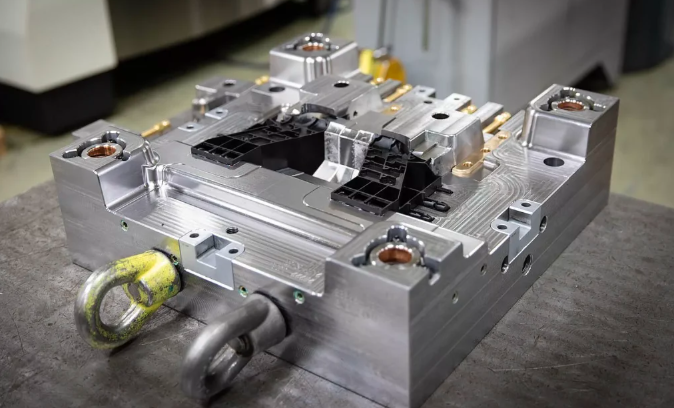
Introduction to Mold Making Resin
Mold making resin is a popular material used for creating strong, detailed molds for various applications, including prototyping, art, jewelry, model making, and industrial components. This resin is typically used to form either the mold itself or the cast, depending on the desired outcome. Its versatility, ease of use, and fine detail capture have made it a preferred choice among hobbyists and professionals alike.
From small-scale creative projects to complex industrial parts mold making resin provides reliable performance and consistent results. Whether you’re producing one piece or many, this material can be an excellent solution for precision and durability.
What Is Mold Making Resin?
Mold making resin is a synthetic liquid material that hardens into a solid form, used either to make molds or create castings When mixed, the chemical reaction causes the material to cure and solidify. Depending on the formulation, it can mimic the properties of rubber, plastic, or even metal-like finishes.
There are different types of resins used in mold making, such as polyurethane, epoxy, and polyester. Each has its own curing time, flexibility, hardness, and application range.
Types of Mold Making Resin
1. Polyurethane Resin
Polyurethane is one of the most widely used mold making resins due to its fast curing time and ease of use. It offers high detail reproduction and comes in rigid and flexible varieties
2. Epoxy Resin
Epoxy resin is known for its strength, durability, and superior finish. It takes longer to cure than polyurethane but offers excellent adhesion and minimal shrinkage. It’s ideal for high-detail castings, table molds, and artistic applications.
3. Polyester Resin
Less commonly used today, polyester resin is a cost-effective option, especially for larger molds. It has a strong odor and requires careful ventilation during use but provides decent hardness and structure.
Applications in Various Fields
Mold making resin is used in a wide range of industries and hobbies:
- Jewelry Making: Artists use resin molds to create earrings, pendants, and bracelets with embedded items like flowers, glitter, or pigments.
- Prototyping: Engineers use resin to replicate product parts before final production.
- Figurines and Toys: Detailed models and collectibles are often produced using resin molds.
- Home Décor: Coasters, trays, lamps, and art panels are frequently cast with mold making resin.
This widespread use reflects its adaptability and precision.
Process of Making Resin Molds
Here’s a general step-by-step guide:
1. Prepare the Master Model
This is the object you wish to replicate. It must be clean, smooth, and fixed securely in place.
3. Apply Mold Release
Before pouring the resin, apply a mold release agent to ensure that the cured mold can be removed easily from the master model.
Benefits of Using Mold Making Resin
Resin molds offer several advantages over other mold-making materials like silicone or plaster:
- High Detail Accuracy: Mold making resin can capture minute details, including textures and patterns.
- Durability: Once cured, resin molds are long-lasting and resistant to wear and tear.
- Customizability: Different resins can be tinted, filled, or modified for specific applications.
- Versatility: Suitable for industrial, artistic, and practical uses.
- Cost-Effective: Especially for short production runs or one-off prototypes.
These benefits make resin a smart choice for both beginners and seasoned professionals.
See also: How Modern Technology In Shapewear Bodysuits is Revolutionalizing Fashion
Tips for Best Results
To achieve clean and successful molds with resin, consider the following tips:
- Measure Accurately: Incorrect resin-to-hardener ratios can cause soft spots or incomplete curing.
- Minimize Air Bubbles: Stir gently and consider using a vacuum chamber for professional-level clarity.
- Use Protective Gear: Wear gloves, safety glasses, and work in a well-ventilated area.
- Check Temperature and Humidity: Resin can behave differently in various environments. Ideal temperatures are usually between 20–25°C (68–77°F).
Being precise and patient during the mold making process will yield the best quality molds.
Common Mistakes to Avoid
Beginners and even experienced users may encounter some issues when working with mold making resin:
- Overmixing or Under-mixing: Can result in uneven curing or sticky molds.
- Skipping Mold Release: Can lead to molds sticking to the master model or mold box.
- Rushing the Cure Time: Removing a mold too early can ruin the shape or surface quality.
- Not Sealing Porous Materials: If your master model is porous (like wood or clay), seal it first to prevent resin absorption.
Awareness of these mistakes helps users troubleshoot and improve their technique over time.
Future Potential
With the rise of 3D printing, customized molds can be printed in resin directly or used to create negatives for further casting. As new materials are developed and the technology advances, mold making resin will continue to play a major role in prototyping, art, and design.
Augmented reality (AR) and digital sculpting tools are also making it easier for creators to design intricate master models before moving into physical mold production using resin. The future is full of possibilities with this flexible and innovative material.
Conclusion
Mold making resin has revolutionized the way we replicate, create, and produce detailed components and artistic items. Its ease of use, versatility, and precision make it one of the most valuable tools for creators in various fields.
Whether you are a jewelry designer, a hobbyist creating custom figurines, or a manufacturer in need of reliable prototypes, mold making resin offers an affordable and efficient solution. As the material evolves, it will continue to open up new creative and industrial opportunities, shaping the future one mold at a time.