
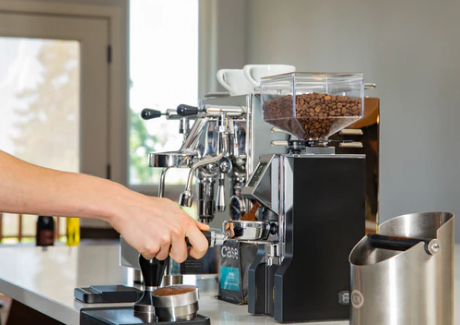
The global professional coffee grinder market is poised for significant expansion, projected to reach an estimated $2.5 billion by the end of 2025. This growth reflects the increasing demand for grinders that deliver consistent, uniform grounds, which is crucial for achieving optimal extraction and complex flavor profiles. A great grinder not only ensures each shot is as flavorful as the last but also reduces waste and accelerates workflow, helping baristas work faster and more reliably.
So, choosing the right commercial grinder is one of the single-biggest decisions a café owner can make. A great grinder produces consistent, uniform grounds shot after shot, dramatically improving extraction, reducing waste, and making your baristas faster and more reliable.
This guide explains the hard features that matter, what to test before you buy (new or used), and how to choose from the top commercial espresso grinders.
Why the Grinder Matters (More Than You Think)?
The grinder directly controls particle size distribution, dose consistency, and the speed of service. Small variations in grind or dose create big swings in extraction, sour, bitter, thin, or over-extracted shots. A stable, well-built commercial grinder turns coffee recipes into repeatable drinks, reduces wasted beans, and makes barista training far simpler.
Key Grinder Features That Drive Performance:
When evaluating commercial grinders, prioritize the following features. Each one affects throughput, consistency, or serviceability.
1. Burr Type & Material: Flat burrs tend to deliver a tighter particle distribution favored in many high-volume cafés for espresso clarity; conical burrs often run cooler and can be gentler on oils. Hardened steel or ceramic burrs last longer and resist wear. Premium steel burrs are common in commercial units for balance between durability and cost.
2. Burr Diameter (Size): Larger burrs (e.g., 65–83 mm) grind faster and produce less heat at high throughput, critical for busy shops. Smaller burrs grind slower and may overheat when pushed.
3. Motor Power & Torque: Look for high-torque motors that maintain RPM under load. This prevents stalling when grinding for double shots or back-to-back orders.
4. Grind Adjustment: Stepped vs. Stepless: Stepless allows micro-adjustments, ideal for baristas dialing in espresso recipes and single-origin nuances. Stepped is easier to return to preset positions (good for multi-user shifts) but less granular.
5. Dosing System: Doserless (On-Demand) delivers directly into the portafilter or dosing cup, with less retention, fresher grounds, and typically preferred for espresso-focused operations. Dosed (hopper + doser) may suit high-volume environments where speed and batch dosing are prioritized, but watch retention and clumping.
6. Dosing Accuracy & Repeatability: Evaluate the grinder’s ability to deliver the same weight or volume per dose across repeated cycles. Weight-based dosing (scale integration) is increasingly common and more precise than time-based dosing.
7. Retention & Clumping Control: Low grind retention reduces stale coffee in the chute when changing beans or blends. Anti-static designs and well-shaped chutes reduce clumping and sticking.
8. Throughput / Cups Per Hour: Choose a grinder sized for peak demand (not average). Manufacturers usually list grams-per-minute or cups-per-hour—match that to your busiest shifts.
9. Hopper Capacity & Bean Flow: Larger hoppers reduce refill frequency, but too-large hoppers with old beans can threaten freshness. Consider easily removable hoppers for switching beans.
10. Cooling & Heat Management: Grinders that manage heat (via burr design, motor efficiency, or ventilation) preserve coffee aroma and prevent burn-like flavors during long runs.
11. Build Quality & Serviceability: Metal construction, easy access to burrs, and replaceable parts (motor brushes, bearings, burr sets) are essential. Shop for machines where spare parts and burr replacements are readily available.
12. Noise & Ergonomics: Noise matters for customer experience—look for models with sound-dampening housings. Ergonomic features (portafilter cradle, chute design) speed workflow and reduce barista fatigue.
How to Test a Commercial Grinder Before You Buy?
Testing a commercial grinder before purchase ensures it delivers consistent grind size, speed, and durability under real café conditions. This step helps confirm it pairs well with used espresso machines for reliable, high-quality espresso service.
If you can physically test, run this checklist:
- Consistency test: Pull multiple identical shots and compare weight, extraction time, and taste.
- Temperature check: After continuous grinding, check if the grounds feel warm. Excessive heat is a red flag.
- Retention test: Change beans and grind a dose—note leftover grounds and flavor crossover.
- Dose repeatability: Time- or weight-based dosing should return near-identical results over 10+ cycles.
- Noise & vibration: Confirm the unit’s noise level and that it doesn’t drift on the counter during use.
- Service access: Open the burr chamber, and check if burrs are easy to remove? Are spare burrs a standard item?
Read Also: Trusted Mortgage Broker: First Home Buyer Partner for Your Dream Home
Pairing a Grinder with Commercial or Used Espresso Machines
A grinder must complement your espresso machine—especially when integrating with used espresso machines that may have different extraction tolerances or boilers. Key pairing notes:
- Match grinder throughput to machine capacity and menu volume. A high-end multi-group machine deserves a high-capacity grinder so brewing pace isn’t limited.
- If the espresso machine has slow recovery or quirky extraction behavior (common in older used models), a grinder that provides tight, repeatable dosing helps baristas compensate.
- For shops using used machines with varying group heads, favor grinders with stepless adjustments so baristas can micro-tune per head or bean lot.
Maintenance, Parts, and Long-Term Costs
A grinder’s total cost of ownership includes burr replacement, motor service, and downtime.
Check:
- Burr lifespan: Typical commercial burrs last 500–2000 kg depending on quality and bean roast.
- Spare parts availability: Verify local parts supply and service centers.
- Cleaning requirements: Easy burr access and removable chutes shorten cleaning windows, which is vital during busy shifts.
- Warranty & support: Look beyond price, as solid warranty and quick service reduce long-term operating costs.
Accessories and Add-Ons That Improve Output:
- Dosing funnels & anti-static brushes reduce mess and speed portafilter filling.
- Scale integration or built-in scales allow weight-based dosing for precise consistency.
- Bean sensors & locking hoppers keep beans flowing and secure.
- Sound-dampening mats reduce vibration and noise on counters.
Pair the right accessories with your grinder and you’ll see fewer wasted shots, faster service, and more consistent quality.
Common Mistakes Cafés Make When Choosing a Commercial Grinder
Selecting the wrong grinder can slow service, increase waste, and compromise coffee quality. Many cafés fall into predictable traps like undersizing capacity, overlooking maintenance ease, or chasing big-name brands without testing fit, all of which can hinder the performance of even top-tier used espresso machines.
Avoid these pitfalls:
- Sizing down for savings: Undercapacity grinders bottleneck service at peak times.
- Prioritizing features over serviceability: A flashy display is worthless if burrs are hard to replace.
- Ignoring retention during single-origin or frequent-change menus: High retention ruins bean clarity and forces waste.
- Buying purely on brand name: Not every model from a known brand fits every café’s workflow, test first where possible.
Why Expert Advice Matters and How to Shop?
Selecting the right grinder is challenging, but experts can help you weigh throughput, burr choice, and long-term costs against menu and staff skill. If you want a fast shortlist, check our tested recommendations and compare specs in one place so you can select the top commercial espresso grinders.
For cafés using refurbished or used espresso machines, expert pairing and calibration are particularly valuable, as small mismatches between grinder and machine can amplify extraction issues.
Take the Next Step
A commercial grinder is the engine of your espresso workflow. Invest in the features that match your volume, menu, and staff, like large burrs, high torque, low retention, and stepless adjustment are non-negotiable for many cafés.
When you’re ready to compare models, start with trusted options and field tests. Browse and compare our vetted picks at Pro Coffee Gear.