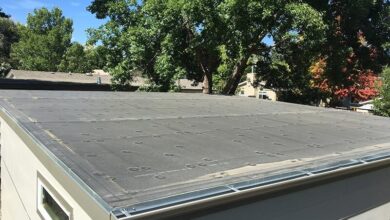

Across the UK, gardeners are rethinking how they water their plants, especially with hosepipe bans, unpredictable rainfall patterns, and rising utility bills. Depending solely on mains water no longer feels sustainable.
That’s why collecting rain from roofs and storing it for later use is becoming an increasingly practical solution.
But is it genuinely worth the effort, cost, and maintenance? Experts from environmental science, engineering, garden installation, finance, and community gardening share their perspectives.
Dr Emily Green, Environmental Scientist: Plants Need Rainwater
Environmental scientist Dr Emily Green explains that rainwater offers a more natural water source for plants compared with treated tap water.
Mains water in many parts of the UK contains dissolved salts and treatment chemicals, which can gradually affect soil balance, especially in containers and raised beds.
Rainwater, by contrast, is naturally soft and free from these additives. This supports healthier root systems and a more efficient nutrient uptake.
According to Dr Green, gardeners often notice improved leaf condition and stronger growth, particularly in acid-loving plants such as camellias, rhododendrons, and blueberries.
From a household perspective, replacing a portion of mains water with stored rainwater can also reduce seasonal water bills, making it an environmentally and financially sensible choice.
See also: Storage Box Singapore: Affordable Organizers for Home & Office
Prof. Liam Turner, Environmental Engineer: Better Urban Water Management
Prof. Liam Turner highlights that the benefits extend well beyond individual gardens. When rainwater runs directly from roofs into drains, it contributes to surface water flooding. It also places pressure on urban drainage systems during heavy rainfall.
By capturing water in butts or tanks, households slow this runoff and reduce the volume entering drainage networks at once. On a larger scale, widespread rainwater harvesting can help reduce flood risk and limit pollutants being washed into rivers.
In this way, a small garden system becomes part of a broader environmental solution, linking private gardening choices to public water management.
Mr Oliver Hayes, Garden Installation Specialist: Rainwater Harvesting Is Pretty Simple
From a practical standpoint, garden installation specialist Oliver Hayes notes that domestic rainwater harvesting systems are typically straightforward.
A standard setup includes a water butt connected to a downpipe diverter, a lid to prevent debris and insects from entering, and a tap at the base.
Maintenance is generally light. Gutters should be kept clear, filters checked occasionally, and tanks monitored during colder months. For most households, the system quickly becomes part of the garden routine rather than an ongoing task.
Even smaller systems can be useful. A single well-positioned barrel can supply enough water for containers, herbs, and a modest vegetable patch during dry spells.
Ms Fiona Clarke, Sustainable Finance Specialist: It Builds Savings Over Time
Financial specialist Fiona Clarke advises gardeners to view rainwater harvesting as a long-term investment rather than an instant money-saver. Initial costs depend on system size and design, but basic setups remain relatively accessible.
Over time, reduced reliance on metered mains water leads to noticeable savings, particularly during the warmer months when garden use peaks.
There are also indirect financial benefits. Healthier plants, less water stress, and improved soil conditions can reduce plant replacement and overall maintenance costs.
For many households, the financial returns become substantial over several growing seasons.
Mr David Brooks, Community Gardening Advocate: Shared Systems Multiply the Benefits
Community gardening advocate David Brooks points to a growing trend of shared rainwater systems in allotments and community gardens. By pooling resources, groups can install larger storage systems that benefit multiple plots.
This approach spreads costs, improves water resilience across the site, and encourages collaboration around sustainable practices.
Beyond the environmental impact, Brooks notes that shared projects often strengthen community ties and increase awareness of water conservation.
Potential Drawbacks of Rainwater Harvesting
While rainwater harvesting offers many benefits, there are some considerations gardeners should be aware of before investing.
Initial Costs
Setting up a rainwater collection system isn’t free. Even a basic 50–100-litre water butt with a downpipe diverter can cost £100–£200.
Larger tanks or more elaborate systems with pumps, filters, and UV sterilisation can run into the hundreds or even thousands of pounds.
While costs are offset over time through lower water bills, upfront investment can be a barrier, especially for city gardeners on tighter budgets.
Space Limitations
Not every garden can accommodate a large tank. Urban terraces, small courtyards, and balcony gardens often have limited space. Even compact wall-mounted tanks take up room and may require sturdy mounting.
Planning where to place barrels or tanks to collect runoff effectively can be tricky without impacting accessibility, aesthetics, or neighbours’ views.
Maintenance Requirements
Although rainwater systems are low-maintenance compared with full irrigation networks, they do require attention.
Gutters need to be kept clear of leaves, filters cleaned every few weeks, and tanks occasionally rinsed to prevent algae growth.
Skipping maintenance can lead to blocked pipes, foul-smelling water, or even mosquito breeding — especially in spring and summer.
Seasonal and Weather Dependence
The UK’s rainfall is seasonal and variable. While rain is generally plentiful, long dry spells can quickly empty storage tanks, particularly smaller systems.
Gardens relying solely on harvested water may need a supplementary mains supply during these periods. Otherwise, thirsty plants could suffer.
Conversely, heavy rainfall events might overwhelm small barrels, leading to spillage if overflow solutions aren’t installed.
Water Quality Considerations
Rainwater is generally safe for watering plants, but it’s not sterile. Dust, bird droppings, and debris can contaminate storage tanks. Plastic tanks exposed to sunlight can also encourage algae growth if left unchecked.
For vegetable gardens, particularly edible crops consumed raw, it’s advisable to filter water before use, or use it primarily for irrigation rather than direct washing of produce.
Planning and Permissions
In some cases, installing large storage tanks or connecting rainwater systems to the main plumbing may require local council notification, or compliance with building regulations.
Gardeners in conservation areas, listed properties, or tight urban plots should check local guidelines before installation.
If you’re unsure where to start or want to make the most of your rainwater harvesting system, working with expert gardeners can make the process much easier.
Professional guidance ensures your garden is both sustainable and low-maintenance. They will help you in many ways, from assessing your space to setting up barrels or tanks. They can also advise on plant choices that thrive with harvested water.
Many UK gardeners also offer ongoing support. They will help you maintain the system and keep your garden thriving all year round, so you can enjoy the benefits without any guesswork.
Conclusion
Taken collectively, expert insights suggest that for many British gardens, rainwater harvesting is a practical and forward-thinking step.
You too can make your garden greener and more self-sufficient. And now is the perfect time to act. Start small, plan your setup carefully, and watch how every drop of rain you capture contributes to a thriving garden and a healthier environment.