
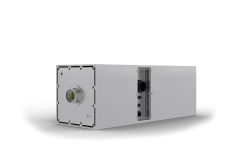
Modern X-ray equipment depends on several technologies working as one coordinated system. The tube produces radiation, the high-voltage supply energizes it, and control electronics manage operating functions. An integrated X-ray source brings important components into a unified assembly, helping OEM developers address the relationships between them rather than treating every part as a separate design challenge.
Integration is not simply about placing components inside one enclosure. It also establishes how the source will connect with the detector, power input, machine controller, and surrounding mechanical structure. These decisions influence installation, service access, and the way the complete equipment is tested before deployment. It involves matching electrical requirements, thermal behavior, control signals, physical dimensions, and application needs.
What Component Integration Means in X-Ray Equipment
A conventional X-ray system may use separate tubes, high-voltage generators, power connections, and control modules. Each component has a specific role, but engineers must ensure they work together safely and consistently. Coordinating these elements from the beginning helps address compatibility, interface, and operating requirements during equipment design.
An integrated source combines essential components, including the X-ray tube, high-voltage electronics, and control circuitry. Depending on the model, it may also include filament power, cooling, thermal management, or shielding. For OEMs, this coordinated assembly provides defined interfaces and specifications, making source integration more straightforward.
See also: About Datrihelminen Life
How the Main Components Work as One Assembly
Integration depends on the way individual elements exchange power, signals, and heat. The tube requires suitable electrical conditions to generate X-rays, while the generator must deliver the specified voltage and current. Control electronics coordinate operating commands and may monitor relevant conditions.
The physical arrangement matters as much as the electrical design. A source that meets electrical requirements may still be unsuitable if its dimensions, connector positions, or cooling needs conflict with the machine layout. Engineers therefore need to consider integration as both an electrical and a mechanical task.
1. X-Ray Tube and Target Assembly
The tube is where electrons interact with a target to produce X-ray radiation. Its characteristics, including focal spot and operating range, influence the requirements placed on the generator and the intended imaging task.
2. High-Voltage Generation
The generator supplies the electrical potential needed for tube operation. Its voltage and current capabilities must match the tube specifications and expected duty cycle.
3. Control Electronics
Control circuits interpret commands and manage operating functions. Their interfaces need to communicate correctly with the equipment’s main controller.
4. Thermal Management
Electrical and tube assemblies produce heat during operation. Depending on the design, cooling components or thermal pathways may be incorporated to manage operating temperatures.
5. Shielding and Enclosure
Some integrated designs include shielding or protective housing as part of the assembly. The enclosure also supports component positioning and physical protection.
Why Integration Matters During OEM Development
For equipment manufacturers, component integration can simplify the process of planning the X-ray source portion of a machine. Rather than independently sourcing and coordinating every core element, an OEM can work from a defined assembly with established electrical and mechanical interfaces.
Integration can also support product differentiation. OEM developers may need a source configuration that fits a particular cabinet, conveyor, scanner, or analytical instrument. A suitable integrated platform can provide a starting point for adapting the surrounding equipment to its intended task. Equipment manufacturers can concentrate on wider machine functions, user workflow, and application-specific features while evaluating a source assembly against their design constraints. This does not mean every integrated unit is interchangeable; model specifications and interfaces still need careful review.
Design Areas That Need Coordination
Coordinating different components requires careful attention to their electrical, mechanical, and thermal requirements. Evaluating these areas during the design stage helps prevent compatibility issues and supports reliable equipment integration.
- Electrical compatibility between the tube and generator
- Required voltage, current, and operating duty cycle
- Control interfaces and communication requirements
- Available installation space and mounting provisions
- Cooling needs and expected thermal conditions
- Cable routing, insulation, and connection access
- Shielding provisions and equipment safety requirements
- Service access and maintenance considerations
Reviewing these areas early can help identify design conflicts before the equipment reaches prototype testing.
Integration Across Different X-Ray Applications
The right source arrangement depends on the equipment’s purpose. Security systems may require configurations suited to baggage, parcel, or cargo screening. Food inspection equipment uses X-ray technology to identify foreign materials or support product quality checks. Industrial systems may be designed for non-destructive testing, sorting, thickness measurement, or inspection of manufactured components.
Medical and analytical equipment have their own requirements, including the imaging method, target material, detector arrangement, and regulatory environment. These systems may require particular output ranges, focal spot characteristics, or operating sequences. An integrated source must therefore be selected according to the system in which it will operate, rather than assumed to be universally suitable. Source selection should follow the technical demands of the equipment and the applicable standards for its market.
Conclusion
Component integration shapes modern X-ray equipment by bringing essential source functions into a coordinated assembly. The tube, high-voltage generation, controls, thermal management, and enclosure must work within compatible electrical, mechanical, and operating limits. For OEM developers, this approach can make source integration more organized and provide a clearer foundation for designing application-specific equipment. The complete system must still be engineered and validated for its intended use.
If you are looking for solutions from high-voltage power supply manufacturers for OEM X-ray equipment, VJ X-Ray develops integrated X-ray sources and high-voltage generators for security, food, industrial, medical, electronics, and analytical applications. Its product range supports equipment manufacturers seeking source technologies with defined specifications and integration options. Through its focus on X-ray source engineering and OEM requirements, VJ X-Ray offers technologies that can help developers build equipment suited to their application and system design.