
Unknown Caller Search: 8552287310, 5045274478, 9513055414, 7132581606, (302) 397-8571, 9043278492, 18005273369, 800-274-4240, 630-747-8326, 8668410143, 855-286-0098

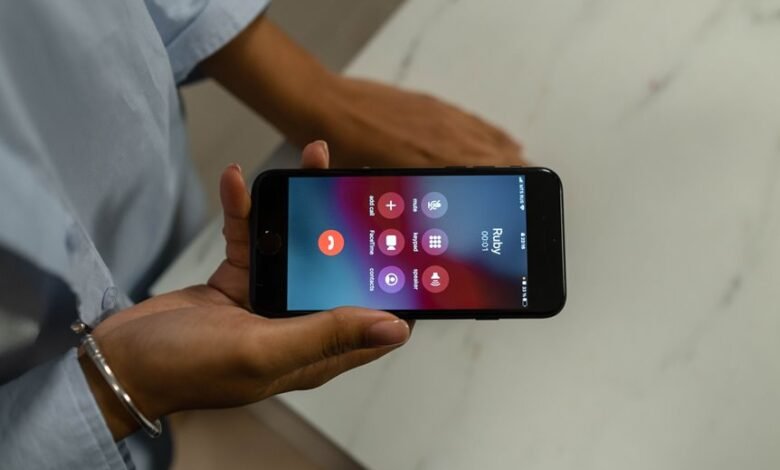
Unknown Caller Search combines tracing, vetting, and risk assessment of numbers such as 8552287310, 5045274478, and others to verify legitimacy. The approach spans regions and carriers, weighing metadata, call patterns, and source provenance. It balances privacy with transparency, aiming to reduce harassment while preserving legitimate outreach. Practical implications include blocking, reporting, and inter-organizational collaboration; gaps and tensions emerge as data quality varies, inviting further scrutiny and consideration of regulatory constraints.
What Is an Unknown Caller and Why It Pops Up
An unknown caller is a telephone contact whose identity is not immediately displayed or identifiable by the receiving device. This phenomenon challenges Caller ID reliability and prompts scrutiny of call metadata. Unknown Caller detection hinges on tracing numbers and confirming legitimacy through Caller Verification processes. Clarity emerges when systems balance privacy with transparency, ensuring users retain control over unfamiliar connections while preserving communication freedom.
How to Trace a Caller Number Across Regions and Carriers
Tracing a caller number across regions and carriers requires a methodical approach that accounts for disparate numbering plans, routing practices, and legal constraints; a structured workflow ensures accurate identification without compromising privacy. The procedure emphasizes trace caller privacy by cross-referencing regulator records, carrier databases, and regional routing patterns, while preserving data minimization and auditability for lawful verifications.
Practical Steps to Block, Verify, or Report Calls
Practical steps to block, verify, or report calls begin with a structured sequence: identify unwanted numbers, implement blocking measures at the device or network level, verify caller information through reliable sources, and initiate formal reporting when misuse persists. Call screening enhances autonomy, reducing intrusion while preserving legitimate communication. Scam awareness underpins disciplined action, guiding consistent evaluation, documentation, and escalation to authorities when appropriate.
Tools, Apps, and Services for Caller ID and Vetting
Tools, apps, and services for caller ID and vetting encompass both device-centric and cloud-based solutions that enhance call authenticity and reduce misidentification. These systems integrate metadata, risk scoring, and carrier collaboration to authenticate numbers, flag suspicious activity, and mitigate caller ID myths.
Awareness of spoofing risks drives proactive verification, empowering users to discern legitimacy from deception and maintain autonomy.
Frequently Asked Questions
Can Unknown Callers Affect Credit or Banking Security?
Unknown callers can threaten privacy protections and potentially compromise banking security through social engineering, phishing, or credential theft; however, direct financial access requires additional vulnerabilities. Institutions implement safeguards, while individuals must remain vigilant against suspicious requests and data-sharing.
Are There Legal Risks to Tracing Unknown Numbers?
Legal risks to tracing unknown numbers exist; data privacy and legal arguments shape permissible practices. Juxtaposed, caution and curiosity empower inquiry while ensuring compliance. The process requires transparent methods, consent when applicable, and avoidance of unlawful surveillance or data misuse.
How Accurate Is Reverse Lookup by Region and Carrier?
Reverse lookup accuracy is limited by data freshness and regional/reporting gaps. It achieves modest regional accuracy, but carrier-level details are frequently imprecise; users should treat results as indicative, not definitive, due to reverse lookup limitations.
Do Carriers Offer Free Caller ID Premium Features?
Carriers rarely offer free caller ID premium features; options exist mainly as part of broader plans. The assessment notes caller ID warranties and telemarketing transparency influence, but free premium services are uncommon and vary by carrier policies and promotions.
What Privacy Rights Protect My Caller ID Information?
Privacy rights protect caller id information; privacy laws and data protection frameworks limit disclosure, require consent, and mandate safeguards. The analysis shows individuals may control visibility, restrict sharing, and seek remedies when misuse threatens personal privacy and security.
Conclusion
Unknown caller identification blends privacy with accountability, enabling safer outreach while curbing abuse. The process hinges on cross-region data, carrier cooperation, and risk scoring to verify provenance and legitimacy. Users can block suspicious numbers, verify caller intent, and report abuse to regulators or carriers as needed. As the saying goes, where there’s smoke, there’s fire—so systematic vetting and transparent reporting keep communication secure without stifling legitimate contact.


