The dream of owning a piece of the “Great Australian Dream” has certainly felt more like a marathon than a sprint lately. With the cost of living and property prices often dominating our dinner table conversations, it is easy to feel a bit discouraged about the prospects of entering the market. However, as we move through 2026, the landscape of homeownership in Australia is shifting, and new pathways are opening up for those who know where to look. From expanded government guarantees to innovative co-buying models, the “how” of buying a home is evolving to meet the challenges of the modern economy. Navigating these options requires a bit of strategy and, more importantly, a clear understanding of the latest policy changes across different states. For many aspiring buyers, the journey starts with finding the right advocates who can cut through the noise, which is why The Best Buyers Agents are increasingly becoming a staple for first-time purchasers looking to secure a fair deal in a competitive environment.
Affordability in 2026 is not just about the sticker price of a house; it is about how effectively you can leverage the tools available to you. While “sticker shock” is real—especially in Sydney and Melbourne—the introduction of more flexible lending criteria and the removal of certain barriers have created pockets of opportunity. Whether you are a single parent, a first-time buyer, or someone looking to re-enter the market after a decade, the 2026 property market is more segmented and accessible than it was just a few years ago. The key is to move past the headlines and focus on the specific incentives that apply to your unique financial situation.
Leveraging Government Incentives and the 5% Deposit Scheme
One of the most significant lifelines for buyers in 2026 is the refined Home Guarantee Scheme, specifically the First Home Guarantee. This program allows eligible participants to purchase a home with a deposit as low as 5 percent without the stinging cost of Lenders Mortgage Insurance (LMI). In a major move in late 2025, the government removed income caps and waitlists for this scheme, making it a much more “open door” policy for those with steady employment but limited savings. For single parents or legal guardians, the Family Home Guarantee is even more accessible, requiring only a 2 percent deposit to get started.
To make this work, you must stay within the updated First Home Guarantee property caps for 2026, which vary significantly by state. In New South Wales, the cap for capital cities and regional centers like Newcastle and Wollongong has moved to $1.5 million, while in Queensland, the Brisbane and Gold Coast cap is now $1 million. Victoria’s cap for Melbourne and Geelong sits at $950,000. These increases reflect the reality of the 2026 market, ensuring that the scheme remains a practical tool rather than a theoretical one. By utilizing the 5 percent deposit scheme, you can potentially enter the market years earlier than if you were trying to save the traditional 20 percent, saving you from the “rental trap” and allowing you to start building equity sooner.
Understanding Your Borrowing Capacity in a Stable Rate Environment
If you are asking “how much can I borrow for a house in Australia?” in 2026, the answer is more stable than it has been in years. After the volatility of the early 2020s, interest rates have found a “new normal,” with average owner-occupier rates for new loans hovering around 5.4 percent. While this is higher than the record lows of the past, it provides a level of predictability that allows for more accurate long-term budgeting. Lenders have also become more sophisticated in how they assess “serviceability,” often looking at your total financial health rather than just a rigid salary-to-debt ratio.
Your borrowing capacity is heavily influenced by your “disposable” income after accounting for the higher cost of utilities and groceries we see in 2026. Most banks will still apply a 3 percent “buffer” on top of the current interest rate to ensure you can handle potential future increases. To maximize your capacity, it is essential to clear any small debts like credit cards or “Buy Now, Pay Later” accounts, as these can have a disproportionate impact on your borrowing power. Staying informed about your specific state’s rules is also vital; for instance, the stamp duty concessions by state have been expanded in 2026. Western Australia now offers full stamp duty exemptions for off-the-plan apartments and duplexes up to $800,000, which can save you over $30,000 upfront—money that could be better used as part of your deposit or to increase your overall budget.
Exploring “Bank of Mum and Dad” Alternatives: Co-Ownership and Shared Equity
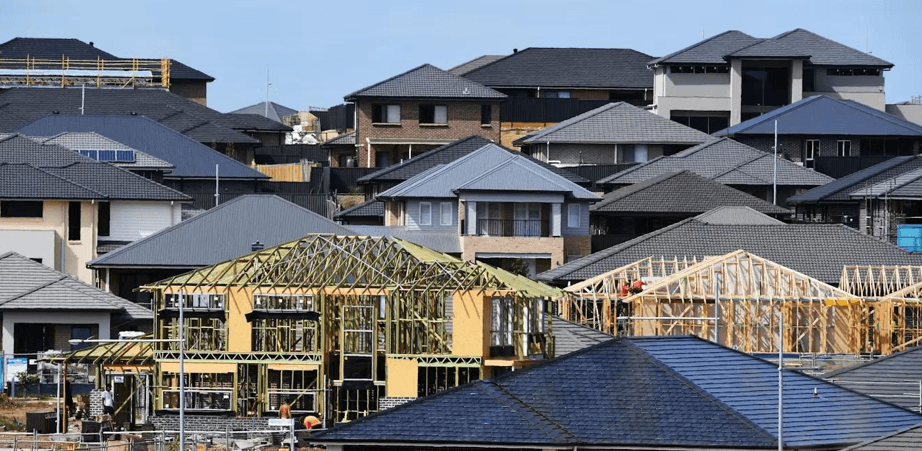
For those who don’t have access to the “Bank of Mum and Dad,” 2026 has seen the rise of “crowdsourced” or “co-owner” property models. Major banks now offer specific “Property Share” products that allow up to four friends or relatives to buy a single property together while keeping their individual finances separate. This allows you to split the deposit and the ongoing mortgage repayments, making a $1 million home feel like a $250,000 commitment per person. It is a practical, modern solution to the affordability crisis that prioritizes community and shared growth over solo ownership.
Another innovative pathway is the “Help to Buy” shared equity scheme. In this model, the government essentially becomes a silent partner in your home, contributing up to 30 or 40 percent of the purchase price. You only need a 2 percent deposit, and your mortgage is significantly smaller because you are only borrowing for your share of the home. You can “buy back” the government’s share over time as your income increases. This has become a popular choice for key workers and those in regional areas where the property price caps are lower, providing a dignified way to secure a home without the crushing weight of a massive debt.
See also: How to Pick the Right Neighborhood for Your Home?
Tips for Success in the 2026 Australian Market
The most successful buyers in 2026 are those who act with a “business mindset.” This means doing your homework before you even visit an open home. Get your pre-approval in place so you can act quickly when the right property appears, and don’t be afraid to look at “secondary” suburbs that are next in line for infrastructure upgrades. With the rise of hybrid work, proximity to the city center is no longer the only metric for value; areas with good local amenities and high-speed digital connectivity are seeing some of the strongest capital growth.
Ultimately, the question of affordability is a personal one that depends on your willingness to adapt. While the traditional “quarter-acre block” might be out of reach for some in the inner suburbs, townhouses, duplexes, and well-located apartments offer a fantastic entry point. The complexity of today’s market—with its web of state-based grants, federal guarantees, and evolving bank products—means that having professional support is no longer a luxury for the wealthy. By partnering with The Best Buyers Agents, you gain an authoritative ally who understands the First Home Guarantee property caps 2026 and can negotiate on your behalf to ensure you don’t overpay. With the right strategy and a bit of “Pinoy” resilience, the dream of homeownership in Australia is still very much alive and within your reach.