
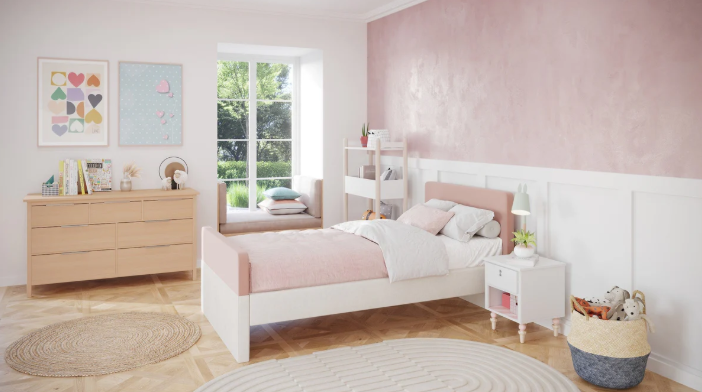
As children grow, their needs change rapidly — and so does their bedroom furniture. Moving from a toddler bed to a larger sleeping space is an exciting milestone. Choosing the right kids bed isn’t just about size; it’s about comfort, safety, durability, and creating a room that supports both rest and play.
Well-designed kids beds provide the foundation for healthy sleep habits while also complementing the overall style and functionality of your home. In this guide, we’ll explore what to consider when selecting a bed for your child and how to balance practicality with design.
Why Choosing the Right Bed Matters
Sleep plays a vital role in a child’s development. A supportive and comfortable bed encourages better rest, improved focus, and overall wellbeing. Beyond sleep, a child’s bedroom is also a place for imagination, learning, and relaxation.
The right bed should:
- Provide proper mattress support
- Fit comfortably within the room layout
- Offer long-term durability
- Match your child’s evolving needs
Investing in quality ensures the bed remains suitable for years rather than just a short phase.
Types of Kids Beds to Consider
Standard Single Beds
A classic single bed is one of the most versatile options. It provides ample space for growing children and fits well in most UK bedrooms. Neutral frames in wood or painted finishes offer timeless appeal and can easily adapt to changing décor themes.
Storage Beds
Storage-integrated beds are ideal for keeping bedrooms tidy. Drawers beneath the bed can store clothes, bedding, toys, or school supplies, helping maximise available space — especially in smaller homes.
Cabin Beds
Cabin beds elevate the mattress slightly to create space underneath for storage, desks, or shelving. These are especially practical for school-aged children who need room for study and organisation.
Floor Beds
Lower-to-the-ground designs are increasingly popular for younger children. They promote independence and are easier for little ones to access safely.
Key Features to Look For
When shopping for a kids bed, keep these essential features in mind:
1. Sturdy Construction
Solid wood frames and reinforced joints provide long-lasting durability. Children are active — climbing, jumping, and playing — so the bed must withstand everyday energy.
2. Safe Finishes
Smooth edges, rounded corners, and non-toxic paints protect children from injury and exposure to harmful substances.
3. Supportive Mattress Base
A strong slatted base promotes airflow and ensures proper mattress support, contributing to better sleep quality.
4. Timeless Design
Trendy themes can be tempting, but neutral and classic designs often last longer as children’s tastes evolve.
Designing Around the Bed
Since the bed is the focal point of a child’s room, its placement and surrounding layout matter. Position it away from windows and radiators, allowing enough walking space around it for safety and convenience.
Pair the bed with soft, breathable bedding and comfortable pillows to create a cosy sleep environment. Good lighting — including a bedside lamp or reading light — enhances functionality.
Storage solutions such as shelves, toy bins, and wardrobes help keep the room organised, supporting a clutter-free atmosphere that promotes relaxation.
See also: Life After Endoscopic Spine Surgery
Long-Term Practicality
Children grow quickly, and replacing furniture frequently can become costly. Choosing a well-built bed that accommodates growth spurts ensures better long-term value.
Some parents opt for slightly larger bed sizes to extend usability into the teenage years. While this requires more space initially, it reduces the need for future upgrades.
Durability also matters for families with multiple children. A high-quality frame can often be reused, making it a smart and sustainable investment.
Encouraging Independence
The right bed can also help children develop independence. Easy access, comfortable design, and personalised bedding choices make bedtime routines smoother.
Allowing children to participate in selecting their bed frame or décor can increase excitement about transitioning to a new sleeping space.
Making an Informed Choice
Before purchasing, measure the room carefully. Consider how much floor space your child needs for play, study, and movement. Think about storage requirements and how the room may need to adapt in the coming years.
If you’re exploring durable and thoughtfully designed kids beds, look for options that balance safety, functionality, and timeless style.
Conclusion
A child’s bed is more than a place to sleep — it’s a foundation for comfort, growth, and everyday life. By prioritising sturdy construction, safe finishes, and adaptable design, parents can create a bedroom that feels secure, organised, and welcoming.
Choosing the right kids bed today helps ensure restful nights, smoother routines, and a space that grows beautifully alongside your child.