
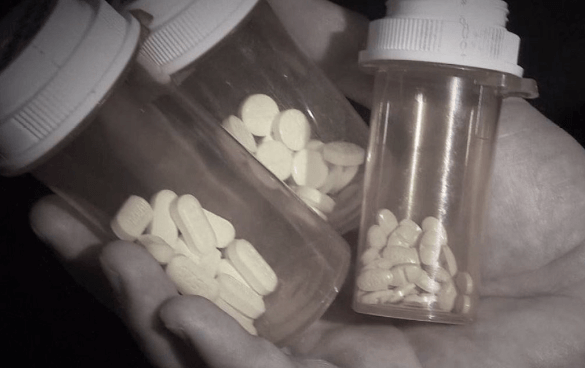
Around 66 percent of adults in the United States take prescription drugs to manage various health conditions. However, some medications, like the M367 pill, carry the risk of addiction. So, while taking this medication can help with chronic pain management, you should be wary of the potential risks. You may need to learn beforehand how to safely use the medication. Read on as this blog covers why the M367 pill poses a risk of addiction.
The Composition of M367 Pill
M367 contains hydrocodone and acetaminophen, which work miracles in treating severe pain. However, hydrocodone is a potent opioid that alters how the brain functions. It usually stimulates the reward system to artificially release dopamine (the happy hormone). That’s why after taking the M367 pill, you might experience a sense of euphoria on top of getting pain relief.
Sadly, taking the medication over a long duration can inhibit the natural release of dopamine. You might experience adverse mood swings whenever you stop taking the medication for a couple of days. You may start taking the M367 pill to help with the mood swings, which is one of the early signs of addiction.
See also: How Healthcare Software Enhances the Diagnosis of ADHD Using ICD-10 Codes
The Role of Tolerance
Your body is likely to become accustomed to the M367 pill after taking it for a long time. You might have to take more pills than prescribed to achieve the same level of pain relief or euphoria. Sadly, the high tolerance is one of the leading factors in the risk of addiction.
The more pills you take, the higher the risk of getting addicted to them. Unfortunately, this can happen even without you realizing it. You may assume you’re in control and can stop using the pill whenever you like. However, whenever you try, you face severe withdrawal symptoms, which seem to go away magically after taking the medication.
The Development of Dependence
Taking the M367 pill for a long period can affect how your body functions. You might discover that you struggle to remain active when you have not taken the pill. If you notice this sign, there’s a high chance you have developed dependence. Your body has become reliant on the drug and needs it to function.
If you stop taking it, you might experience nausea, tremors, cravings, anxiety, and sweating. These symptoms can push you to keep using the drug to avoid them.
Preventing Prescription Medication Addiction
You can mitigate the risk of M367 addiction by strictly adhering to the prescribed doses and schedules. Consult your doctor on the right way to use the drug. Carefully monitor your drug usage and be on the watchout for the early signs of addiction.
Conclusion
Understanding the potential risks of using the M367 pill can help you mitigate them. However, if you’re already addicted to the medication, seek professional help immediately. The goal is to get professional assistance to overcome M367 addiction and manage withdrawal symptoms. You’ll undergo therapy to uncover the root causes of the addictions, which can help with the recovery process.