
Who Called Me? Complete Phone Number Investigation: 104439950, 919552825, 656122113, 640008693, 6303056079001, 911106726, 29999008, 605859588, 101023442, 5412300003 & 621141004

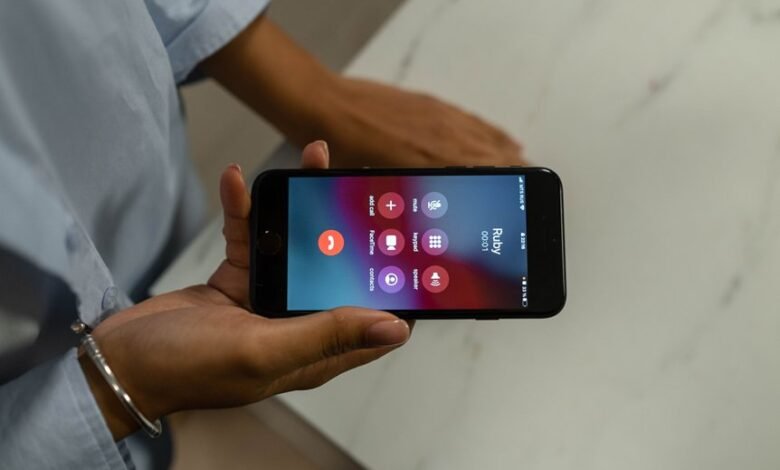
The piece examines a sequence of numbers—104439950, 919552825, 656122113, 640008693, 6303056079001, 911106726, 29999008, 605859588, 101023442, 5412300003, and 621141004—as a case study in caller origin, signal verification, and risk assessment. It outlines tracing methods, red flags, and cross-referenced metadata to determine intent, while considering timing, geography, and duration. The approach invites careful evaluation of each trace before actions such as selective answering or reporting are chosen, leaving a practical path forward unresolved.
What the 12 Mystery Calls Reveal About Caller Intent
The twelve mystery calls offer a structured dataset for inferring caller intent, allowing analysts to categorize patterns with minimal conjecture. Each trace suggests distinct signals: temporal consistency, geographic dispersion, and call duration variance. The examination highlights caller intent as a measurable construct, while origin tracing remains essential for contextual interpretation, guiding risk assessment and resource allocation without unnecessary speculation.
How to Verify Origins: Tracing Numbers and Red Flags
Origins verification follows the examination of caller intent by anchoring analysis in traceable signals and verifiable data points.
The methodical process employs verification methods such as cross-referencing numbers, metadata, and carrier details, while maintaining privacy boundaries.
Systematic scrutiny highlights caller red flags, including unusual prefixes, rapid callbacks, and mismatched location data, enabling cautious discernment without speculation.
Your Action Plan: Answering, Blocking, and Reporting Safely
In approaching caller interactions, the plan delineates concrete steps for answering, blocking, and reporting to minimize risk while preserving legitimate communication.
The framework offers actionable guidance for evaluating risk indicators, establishing caller verification, and documenting incidents.
It prescribes selective answering, proactive blocking of suspicious numbers, and timely reporting to authorities or carriers, ensuring safety without compromising legitimate contact.
Real-World Examples and Practical Tips to Stay Protected
Real-world scenarios illustrate how the outlined action plan operates under varied conditions, from unsolicited robocalls to targeted scam attempts. In practice, methodical analysis reveals uncovering motives and caller patterns, enabling precise filtering. Examples show consistent red flags, corroborated by cross-checking numbers and metadata. Practical tips emphasize updating blocks, documenting threats, and reporting anomalies, fostering informed vigilance without surrendering personal autonomy.
Frequently Asked Questions
Are There Legal Steps to Trace Harassing Numbers Internationally?
Are there legal steps to trace harassing numbers internationally? Yes, though complex; authorities coordinate cross-border requests, prosecutors pursue aliases/IP traces, telecom logs are requested, evidence must meet jurisdictional standards, and privacy laws constrain data access while enabling protective measures.
Can Numbers Be Spoofed, and How Is That Detected?
Disguised numbers can be spoofed; detection relies on caller verification, traceback techniques, and cross-referencing signaling data. A rigorous, analytical approach reveals patterns, helping observers assess legitimacy while safeguarding civil freedoms and privacy.
What Psychological Tactics Do Scammers Use in These Calls?
The analyzed calls reveal scam psychology: perpetrators exploit urgency, authority, and reciprocity to trigger fear, compliance, and rapid decision-making. Caller manipulation relies on social scripting, emotional contagion, and mirroring to overwhelm critical thinking and cooperation.
How Do I Recover Damages From Phone Scams Financially?
In pursuing financial recovery, one should pursue financial recovery methods and scam related litigation, supported by international traceability and cross border enforcement; the approach is analytical, methodical, precise, and aimed at empowering individuals seeking freedom from fraud.
Do Voice Analysis Apps Reliably Identify Spoofed Callers?
Voice analysis apps do not reliably identify spoofed callers; they assess probability, not certainty. The study of voice spoofing and scam psychology shows ongoing gaps, requiring corroboration with metadata and user vigilance for empowered, freedom-oriented decisions.
Conclusion
The investigation methodically maps call origins, cross-checks metadata, and flags anomalies, yielding a robust risk assessment of each number. Temporal patterns, geographic dispersion, and duration variance converge to distinguish benign from suspicious activity. Operators can selectively answer, block, or report with evidence-based confidence, optimizing resource deployment. Anachronistic reminder: in the age of instant data, even seemingly random digits can reveal a structured threat. Vigilance and standardized procedures remain essential for safety and accountability.


