
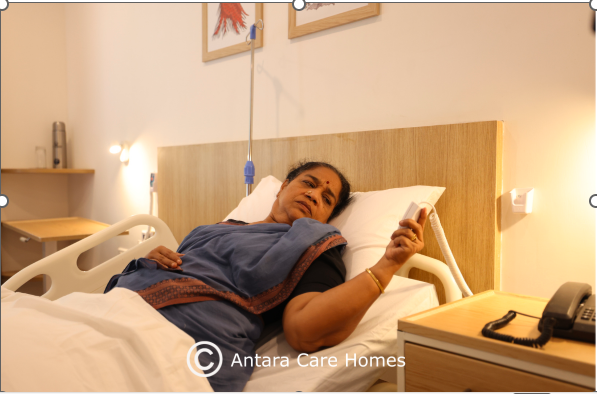
In many parts of Delhi today, aging is happening quietly behind closed doors.
Parents continue living in the homes where they raised their families, while their children build careers in other cities or countries. Video calls and occasional visits help families stay connected, but daily life for many seniors gradually becomes more solitary.
A once-busy household slowly turns into a quiet space.
Meals are often skipped because cooking for one person feels unnecessary. Evening walks stop because there is no one to walk with. Small health concerns sometimes go unnoticed.
This shift has led many families to rethink how aging should be supported. Instead of leaving parents alone, they are exploring structured senior citizen accommodation that offers community, safety, and everyday engagement.
Across Delhi NCR, professionally managed senior homes are becoming a practical solution for seniors who want companionship and reliable care.
Living Solo: The Reality Many Seniors Face
Living independently has long been seen as a sign of strength. Many seniors value the comfort of familiar surroundings and the independence of managing their own routine.
However, living alone also brings certain challenges.
Daily tasks that once felt simple cooking meals, managing medications, cleaning the house—can gradually become tiring. Health conditions such as diabetes, arthritis, or hypertension often require consistent monitoring.
More importantly, social interaction begins to decline.
According to research published in the Journal of Aging and Health, prolonged loneliness among older adults is associated with increased risks of depression, cognitive decline, and cardiovascular disease.
This is why families increasingly look beyond traditional housing when planning for their parents’ later years.
Living Social: A Different Way to Age
Modern senior citizen homes are designed around a simple idea—aging should remain active, social, and supported.
Instead of isolated living, residents become part of a community where interaction happens naturally throughout the day.
Morning routines may include yoga or group walks. Afternoons often involve hobby sessions, indoor games, or music activities. Evenings become opportunities for conversation over tea or participation in cultural events.
These daily interactions create a sense of belonging that many seniors miss when living alone.
In well-designed senior home communities, companionship becomes part of everyday life rather than an occasional event.
This shift from solitary living to community living is what makes modern senior citizen accommodation different from traditional housing options.
See also: Accessible Mental Health Support for Teens with Busy Schedules
The Role of Healthcare in Senior Living
Healthcare support is another important reason families consider structured senior homes.
Many seniors manage multiple chronic conditions that require regular monitoring.
In professionally managed care homes, trained nurses and healthcare staff supervise residents’ well-being. They ensure medications are taken on time, monitor vital signs, and coordinate consultations with doctors when needed.
This proactive approach allows early detection of potential health concerns.
For example, subtle changes in sleep patterns, appetite, or mobility may signal underlying medical issues. When healthcare teams are present within the community, these changes can be addressed quickly.
For families living abroad or working demanding schedules, knowing that healthcare supervision is available in care homes provides significant peace of mind.
Assisted Living: Support Without Losing Independence
Not every senior requires constant medical supervision.
Some seniors remain largely independent but prefer having support available when necessary. In such cases, assisted living environments provide the right balance.
In assisted living facilities, caregivers assist residents with specific daily needs such as medication reminders, physiotherapy sessions, or mobility support.
Residents continue managing their personal routines while knowing help is nearby if required.
This combination of independence and support makes assisted living a preferred option for many seniors who want security without feeling restricted.
Why Established Senior Care Ecosystems Matter
As interest in senior living grows, families are increasingly looking beyond small operators and individual facilities.
Many prefer established senior care ecosystems that combine healthcare expertise, professional management, and lifestyle programs.
Large organisations bring structured care systems, trained staff, and consistent service standards.
For instance, Antara Care Homes, part of the Max Group ecosystem, has built professionally managed environments designed specifically for senior care. Such organisations focus not only on accommodation but also on wellness programs, medical oversight, and community engagement.
For families searching for reliable senior citizen accommodation in Delhi NCR, choosing a trusted and established provider often ensures long-term stability and consistent care standards.
Retirement Homes as Lifestyle Communities
Another model gaining attention in India is the concept of retirement homes designed around lifestyle rather than just housing.
In these communities, seniors live in comfortable environments where activity and interaction are encouraged.
Residents participate in fitness programs, hobby clubs, and social gatherings that keep daily life engaging.
Unlike isolated living arrangements, a retirement homes ecosystem helps seniors remain physically active and socially connected.
These communities also encourage seniors to rediscover interests they may have neglected while living alone.
Care Homes vs Living Alone: What Families Consider
When families compare living arrangements for aging parents, several factors often guide their decision.
Living alone offers familiarity and independence but may lack daily supervision and social interaction.
In contrast, professionally managed care homes provide structured routines, healthcare monitoring, and companionship.
For many seniors, the most significant difference is emotional.
Instead of spending long hours alone, residents in senior citizen homes become part of a community where conversations, activities, and friendships are part of everyday life.
Common Questions Families Ask About Senior Living
Families often have several common questions when exploring senior living options. One of the most frequent is about what senior citizen accommodation actually means. In simple terms, senior citizen accommodation refers to residential communities designed specifically for older adults, where housing is combined with healthcare support, safety features, and opportunities for social interaction.
Another common question is whether senior homes are meant only for people who need medical care. In reality, many senior homes are created for active seniors who may be independent but prefer living in a supportive environment with companionship and structured daily routines.
Families also want to understand what services care homes typically provide. Most care homes offer a combination of healthcare monitoring, nutritious meals, housekeeping services, emergency response support, and recreational activities that keep residents engaged and socially connected.
People also often ask how assisted living differs from retirement homes. Assisted living environments focus on helping seniors with specific daily tasks such as medication reminders, mobility assistance, or physiotherapy, while retirement homes usually emphasise lifestyle, community engagement, and independent living within a social setting.
Conclusion
The difference between living alone and living in a community can shape how seniors experience aging.
Living solo may provide independence, but it can also bring isolation and inconsistent care.
Living social—within structured senior citizen homes—creates an environment where companionship, healthcare support, and active routines become part of daily life.
For families in Delhi NCR, professionally managed senior home communities offer a practical balance between independence and care.
In the end, aging is not only about where someone lives.
It is about whether they continue living with connection, dignity, and peace of mind.