Brandon is a fast-growing community just east of Tampa, known for its family-friendly neighborhoods and convenient location. With hot summers, heavy rain, and hurricane season each year, homes in Brandon face constant weather exposure that can impact their roofs.
Florida weather affects roofs by accelerating wear, increasing the risk of leaks, and causing storm damage, but homeowners can take steps to protect their investment. That’s why many residents rely on Tampa Bay Roofing Services in Brandon, FL, for inspections, maintenance, and repairs.
Understanding how Florida’s climate affects your roof is key to preventing costly repairs. From intense sun and humidity to heavy rain and hurricanes, each season brings different challenges that require proactive care.
With the right approach, homeowners can extend roof life and reduce the risk of damage.
Intense Sun and UV Exposure
Florida’s sun is powerful year-round. UV rays break down roofing materials over time, causing shingles to dry out, crack, and lose protective granules. Once granules are gone, shingles are less effective at keeping water out and resisting heat.
High surface temperatures also make roofing materials expand and contract, weakening seals and creating small gaps where water can enter. Homeowners can reduce sun damage by scheduling annual inspections and considering reflective or heat-resistant shingles.
Heavy Rain and Moisture
Florida sees frequent heavy rain, especially during summer storms. Water can penetrate weakened shingles, flashing, or roof edges, leading to leaks.
High humidity worsens the problem by causing condensation in attics. Over time, trapped moisture can damage insulation, wood decking, and even support beams. Proper ventilation is essential to prevent mold, rot, and structural problems.
Hurricane Winds and Storm Damage
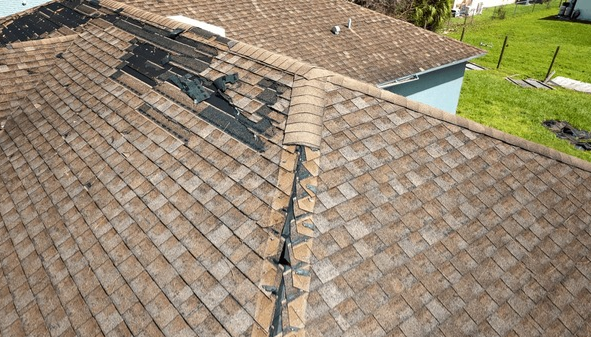
Hurricanes bring strong winds that can lift shingles, tear off flashing, and drive debris onto roofs. Even minor shingle lift can weaken the roof, leaving it vulnerable during the next storm.
Because hurricane damage is often hidden, post-storm inspections are critical. Catching issues early prevents leaks from turning into major repairs. Upgrading to hurricane-rated shingles can significantly increase your roof’s resilience.
Coastal and Salt Air Exposure
For homes closer to the coast, salt air accelerates corrosion, particularly on metal flashing, fasteners, and vents. Rusted components reduce the roof’s effectiveness and increase the risk of leaks. Even homes slightly inland can experience some salt-related wear. Regular inspections help identify corrosion early and allow for timely repairs.
See also: Maintaining a Clean and Healthy Home
Steps Homeowners Can Take
While you cannot control Florida weather, proactive care can protect your roof:
- Schedule annual inspections and post-storm checks
- Keep gutters clean for proper water drainage.
- Trim nearby trees to prevent branch damage.
- Repair minor issues before they become major.
- Consider hurricane-rated or reflective roofing materials
Preventative maintenance is always more affordable than emergency repairs and keeps your roof performing at its best.
Key Takeaways
- Intense sun and UV exposure cause shingles to crack and age faster.
- Heavy rain and humidity increase the risk of leaks and mold.
- Hurricanes can lift or remove roofing materials, weakening the structure.
- Salt air accelerates corrosion on metal components.
- Regular inspections and maintenance extend roof lifespan.
- Upgrading to storm-resistant materials improves protection.