
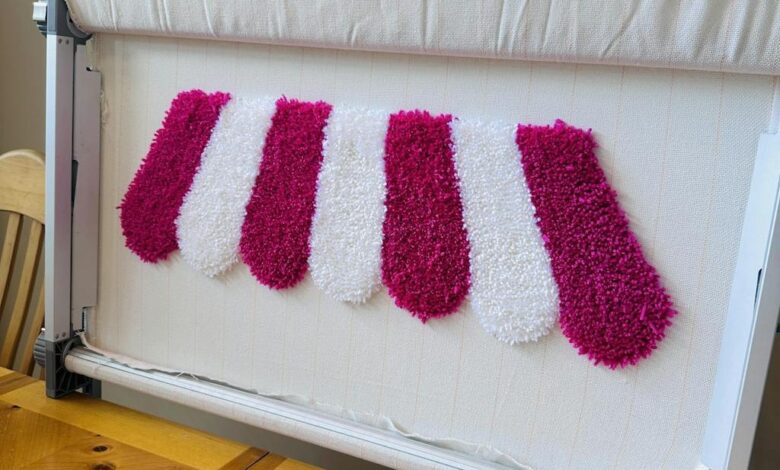
DIY rug making and textile art have surged in popularity, transforming living rooms and studios into creative workshops where crafters bring bold designs to life. At the heart of every successful tufting project lies one essential tool: the tufting frame. This foundational piece of equipment determines whether your artistic vision translates into a beautiful, professional-looking rug or becomes a source of endless frustration. The central challenge many beginners and even experienced makers face is frame instability. An insecure frame causes fabric to slip and sag, creates uneven tension that ruins pile consistency, and makes achieving clean, straight lines nearly impossible. These issues don’t just compromise your finished piece—they turn what should be an enjoyable creative process into a battle against your own equipment. This comprehensive guide cuts through the confusion, walking you through the critical features, material considerations, and stability factors that define a truly secure tufting frame. By understanding what separates a reliable frame from a wobbly disappointment, you’ll be equipped to choose the perfect foundation for your projects, ensuring smooth workflow and stunning results every time you pick up your tufting gun.
Why Frame Security is Non-Negotiable in Textile Art
A tufting frame serves as the backbone of your entire rug-making process, and its stability directly determines whether you’ll create gallery-worthy pieces or wrestle with constant setbacks. When a frame lacks proper security, the consequences ripple through every aspect of your work. The fabric begins to warp and shift mid-project, creating distorted designs that bear little resemblance to your original vision. Inconsistent pile height becomes inevitable as varying tension across the surface causes some areas to accept yarn deeply while others produce shallow, uneven tufts. Attempting straight lines or geometric patterns turns into an exercise in futility when your canvas moves with each pass of the gun. Beyond aesthetic issues, an unstable frame forces you into awkward postures as you compensate for movement, leading to shoulder strain, back pain, and hand fatigue that can cut your creative sessions short. The physical toll compounds the mental frustration of redoing sections or abandoning projects entirely. A genuinely secure tufting frame transforms this experience completely. Precise, unwavering tension allows every tuft to penetrate at the same depth, creating that coveted professional consistency. Clean edges and sharp details become achievable without constant adjustments. Your workflow accelerates dramatically when you’re not stopping every few minutes to retighten fabric or reposition the frame. Safety improves too—a stable platform means less risk of the tufting gun slipping or the frame tipping during intense work. The connection is undeniable: frame security isn’t a luxury feature but the foundation upon which quality DIY rugs are built.
Key Features of a Truly Secure Tufting Frame
1. Robust Construction & Material
The foundation of frame security begins with material choice and build quality. Wooden frames crafted from hardwoods like oak or maple offer exceptional sturdiness and natural weight that resists movement during aggressive tufting motions. Their heft keeps them planted firmly, though they sacrifice portability. Metal frames constructed from steel or aluminum tubing provide impressive rigidity with considerably less weight, making them ideal for crafters who need to move or store their setup regularly. The critical factor isn’t just the material itself but how components connect. Frames assembled with bolted joints and reinforced corner brackets maintain structural integrity under repeated stress, while those relying on basic wood screws or simple dowel joints gradually loosen and develop play. Examine the thickness of frame members—substantial beams at least 1.5 inches in diameter or width indicate a frame built to withstand torque and pressure. Heavier frames naturally dampen vibration better, translating the force from your tufting gun into the fabric rather than shaking the entire structure. When evaluating options, physically test the frame if possible by applying pressure to opposite corners; quality construction shows minimal flex or twist.
2. Advanced Fabric Tensioning Systems
Even the sturdiest frame fails without an effective method to lock fabric in place under consistent tension. Traditional peg-and-notch systems use wooden or metal pegs inserted through grommeted fabric edges into pre-drilled holes along the frame perimeter. This approach works well for smaller projects but can create uneven tension points where pegs cluster. Track-and-pin systems represent a significant upgrade, featuring continuous channels or grooves running the frame’s length where specialized pins or clips secure fabric at any position, allowing micro-adjustments that distribute tension uniformly across the entire surface. The most secure option remains threaded rod systems, where long bolts pass through fabric grommets and thread into the frame itself, creating lockdown pressure that simply cannot slip once tightened. These systems allow independent adjustment of each side, compensating for fabric stretch during extended work sessions. Whatever system your frame employs, it must enable you to achieve drum-tight tension—when you tap the secured fabric, it should produce a resonant sound rather than a dull thud. Avoid frames with simple staple-and-stretch methods or elastic cord systems, as these inherently lose tension over time and cannot provide the unwavering stability serious tufting demands.
3. Anti-Wobble Design & Leg Stability
The most overlooked aspect of frame security lives at ground level. Four-leg designs offer intuitive stability but require perfectly level floors to prevent rocking; uneven surfaces turn them into seesaws. Tripod configurations naturally adapt to irregular floors since three points always define a plane, making them inherently stable on basement concrete or workshop surfaces. The game-changer comes with adjustable feet—rubberized pads threaded onto leg ends that you can individually extend or retract to compensate for floor variations and increase friction against slipping. Cross-bracing between legs, whether X-pattern supports or horizontal stretchers, dramatically reduces lateral movement and prevents the frame from “walking” across the floor during intense tufting sessions. Some premium frames incorporate weighted bases or allow you to add sandbags for additional anchoring. Test stability by pressing down on one corner of the frame while it’s fully set up; secure designs distribute this force across the entire base without tipping or shifting, ensuring your canvas remains a fixed reference point throughout hours of creative work.

Matching Your Frame to Your Tufting Kit and Projects
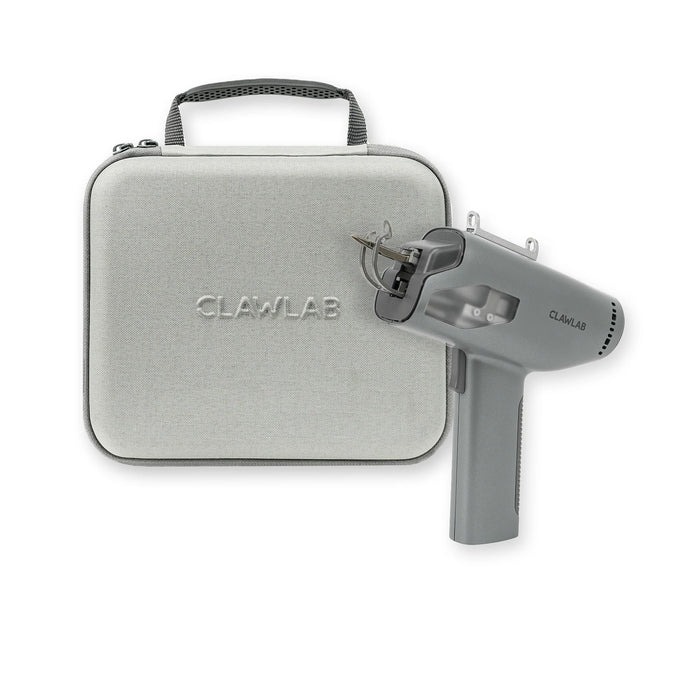
Selecting the right frame requires honest assessment of your specific creative goals and workspace realities. Size considerations should drive your first decision. Wall hangings and small decorative pieces thrive on compact frames measuring 24×24 inches or smaller, offering manageable tension and easy repositioning for detailed work. Medium projects like bath mats or accent rugs demand frames in the 36×48 inch range, providing enough surface area without overwhelming smaller studios. Full-size area rugs require expansive frames of 48×72 inches or larger, which deliver the canvas space ambitious projects need but demand dedicated floor space and considerable storage. Your workspace dictates portability requirements. Crafters in apartments or shared spaces benefit enormously from folding frames with quick-release tensioning systems that collapse for closet storage, even if this convenience sometimes means accepting slightly less rigidity. Those fortunate enough to have permanent studio space should prioritize maximum stability over portability, investing in heavy-duty stationary frames that become immovable workstations. Your tufting gun characteristics matter too—cut pile guns generate more aggressive backward force than loop pile tools, requiring frames with superior anchoring to resist the repeated impacts. High-speed electric guns like those from Clawlab demand heavier construction than manual punch needles due to their increased power and vibration. Consider this practical checklist: Will you tuft primarily one project size or vary widely? Do you need to clear your workspace daily? Does your floor provide stable, level support? Is your tufting gun lightweight or industrial-grade? Answering these questions honestly reveals whether you need a portable aluminum frame with moderate tension capabilities or a workshop-anchored hardwood beast that won’t budge under any circumstances, ensuring your investment perfectly matches your actual creative practice.
DIY vs. Pre-Made: Securing Your Tufting System
The choice between building your own frame or purchasing a commercial solution hinges on your carpentry confidence and budget constraints, but both paths can deliver excellent security with the right approach. DIY frames offer customization and cost savings, yet achieving professional stability requires deliberate reinforcement strategies. Start by selecting lumber at least 2×2 inches for the frame perimeter and add corner gussets—triangular plywood plates screwed into both adjoining sides—to prevent joints from separating under tension. Install diagonal cross-bracing on the back side connecting opposite corners, which eliminates racking and keeps the frame square. For tensioning, drill evenly spaced holes around the perimeter and use carriage bolts with wing nuts through grommeted fabric, allowing tool-free adjustments. Seal and finish the wood to prevent moisture-related warping that compromises stability over time. When evaluating pre-made frames and portable tufting systems, product descriptions rarely tell the complete story. Scrutinize customer reviews specifically mentioning “wobble,” “stability,” or “tension”—these real-world reports reveal whether frames maintain security during actual use. Look for specifications listing frame member dimensions, joint types, and total weight; vague descriptions often hide lightweight construction. Reputable brands specializing in textile equipment rather than general craft suppliers typically engineer frames with tufting’s unique demands in mind. Frames marketed as “professional-grade” should feature metal construction with welded or heavily bolted joints, adjustable tensioning mechanisms on all four sides, and rubber-footed legs. Avoid systems relying primarily on elastic cords or simple grip clips, as these inevitably lose holding power. Whether building or buying, physically testing stability before committing to a full project—or at minimum securing a solid return policy—protects your investment and ensures your tufting system truly supports rather than sabotages your creative ambitions.
See also: Understanding Premium Term Life Insurance
Building Your Foundation for Textile Art Success
Investing in a secure tufting frame is ultimately an investment in both the quality of your textile art and the joy you’ll experience throughout the creative process. Every professional-looking DIY rug begins with three foundational pillars of frame security: robust construction that withstands the physical demands of tufting, advanced tensioning systems that maintain drum-tight fabric without compromise, and stable base design that eliminates wobble and movement regardless of your workspace conditions. While frames with trendy colors or convenient accessories might catch your eye, prioritize these core stability features above all else—they’re what separate frustrating sessions filled with do-overs from smooth, satisfying creative flow. The right tufting frame doesn’t just hold fabric; it unlocks your creative potential by providing the unwavering foundation your artistic vision deserves. When your equipment works with you rather than against you, what begins as a hobby naturally evolves into a mastered skill, producing rugs that look genuinely professional and reflect the care you’ve invested. Choose security, choose stability, and watch your textile art transform from ambitious experiments into confident, beautiful creations that you’ll proudly display or gift for years to come.