
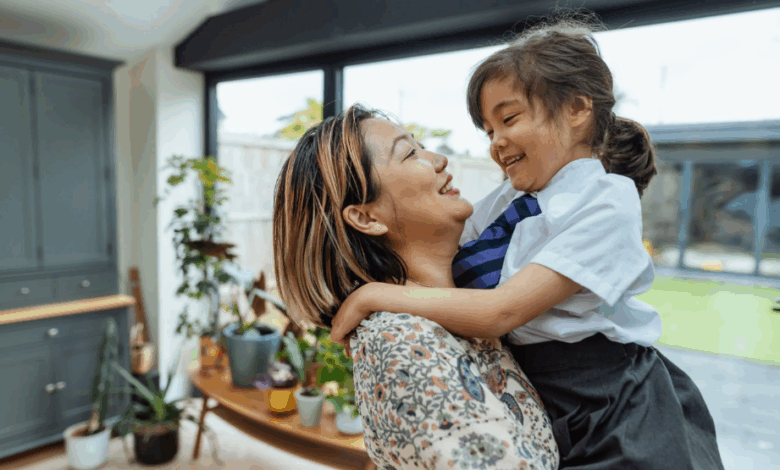
Parenthood is often described as the most rewarding, yet challenging, job in the world. From the moment you hold your newborn, you are navigating a landscape of constant change, uncertainty, and overwhelming love. While instinct certainly plays a role, relying solely on gut feelings can leave many parents feeling lost, stressed, or unsure of their approach. That’s where parenting classes come in. These structured educational programs offer invaluable support, teaching practical skills and fostering a deeper understanding of child development. They are not a sign of failure; they are a proactive, intelligent step toward building a happier, more resilient family.
Beyond Instinct: What Parenting Classes Truly Offer
Many people assume that because they were once a child, they inherently know how to raise one. However, effective parenting involves a specialized skillset that goes far beyond basic care. Contemporary life, coupled with new understandings in psychology and neuroscience, requires a modern approach to raising children.
Understanding Child Development Stages
One of the most foundational elements of a quality parenting program is education on child developmental stages. When you understand that a toddler’s frequent tantrums are a normal expression of developing independence, or that a teenager’s risk-taking behavior is related to an underdeveloped prefrontal cortex, you can approach the situation with empathy rather than frustration. This knowledge alone can transform daily interactions.
Acquiring Practical Discipline Techniques
Discipline is perhaps the topic most frequently sought out in classes for parents. These courses move beyond outdated, punitive methods and focus on positive discipline and constructive communication. Instead of simply punishing bad behavior, parents learn strategies to teach self-regulation and problem-solving. Key techniques taught include:
- Active Listening Skills: Learning to truly hear and validate a child’s feelings.
- Logical and Natural Consequences: Understanding the difference between consequences that teach and consequences that simply punish.
- Behavioral Charts and Systems: Implementing consistent routines to manage expectations.
See also: Life After Endoscopic Spine Surgery
The Diverse Landscape of Parenting Programs
Not all parenting classes are the same. They cater to different needs, family structures, and age groups, ensuring you can find a curriculum that aligns perfectly with your current challenges. These programs range from evidence-based models to influential personal brands, such as the widely discussed principles of Chelsea Acton Famous Parenting, which often emphasize emotional intelligence and open communication.
| Program Type | Target Audience | Primary Focus |
| General Parenting | Expectant parents, parents of young children (ages 0-6) | Basic care, communication, initial discipline, routines |
| Adolescent/Teen | Parents of pre-teens and teenagers | Communication gaps, boundary setting, risk behavior, academic pressure |
| Specialized Needs | Parents of children with ADHD, Autism, or complex needs | Behavior management, advocacy, accessing resources |
| Co-Parenting/Divorce | Divorced or separated parents | Conflict resolution, communication consistency, reducing child stress |
Online vs. In-Person Parenting Workshops
In today’s digital age, parents have the flexibility to choose how they engage with parenting resources. In-person workshops offer the undeniable benefit of real-time peer support and interaction, allowing parents to share stories and feel less isolated. Online courses, however, provide unmatched convenience and flexibility, making them accessible even for the busiest families. Credible organizations, like local community centers, university extension programs, or the Wellbeing Junction, often offer both formats.
The Long-Term Benefits of Taking Parenting Classes
Investing time in parenting education yields significant returns far beyond the immediate reduction of conflict. Research consistently shows that parents who participate in these programs report lower levels of stress and higher levels of confidence.
Source: American Psychological Association.
Children benefit from having emotionally responsive and predictable parents. When parents learn to manage their own emotional responses first, they model effective coping mechanisms for their children. This leads to children with better emotional regulation, stronger social skills, and improved academic outcomes. Ultimately, effective parenting classes help foster a family environment where children feel secure, understood, and capable of thriving under Wellbeing Skies.
Conclusion: Take the Next Step
If you’ve been feeling overwhelmed, exhausted, or simply curious about how to enhance your relationship with your child, considering a parenting class is a worthwhile investment. It’s a chance to step back, gain clarity, and equip yourself with proven tools. Think of it not as remedial education, but as professional development for the most important role you’ll ever have.
Ready to transform your parenting experience? Explore local and online parenting programs today to find the curriculum that best suits your family’s needs. Also, be sure to check out resources like Look What Mom Found Giveaways for other valuable family products and information.
FAQs About Parenting Classes
Q1: Are parenting classes only for parents who are struggling?
A: Absolutely not. While they can be crucial for parents facing significant challenges, most attendees are proactive parents simply seeking new tools, better communication strategies, and a deeper understanding of child development. It’s about continuous learning.
Q2: How long do these courses typically last?
A: The duration varies widely. Some parenting workshops are intensive one-day seminars, while comprehensive parenting programs might run weekly for 6 to 10 sessions, depending on the curriculum and depth of the topic (e.g., Positive Discipline or Effective Black Parenting).
Q3: What topics are commonly covered in a standard parenting class?
A: Core topics usually include age-appropriate discipline techniques, effective communication, setting healthy boundaries, managing power struggles, encouraging independence, and understanding the emotional needs of children.
Q4: How do I choose a high-quality, evidence-based parenting program?
A: Look for classes offered by established organizations such as accredited hospitals, non-profit family services, or university extension programs. Programs that cite evidence-based curricula (e.g., Triple P – Positive Parenting Program) tend to be highly effective.
Q5: Can I attend a parenting class alone if I co-parent?
A: Yes, many individuals attend solo, but it is highly recommended that all caregivers—whether married, separated, or co-parenting—attend together if possible. Consistency is key for the child, and attending the program ensures everyone is using the same language and strategies.