The Unseen Dangers Cyclists Face Every Day
For many people, biking offers freedom, exercise, and a clean alternative to driving. But beneath the surface of that healthy lifestyle is a truth that too many riders know firsthand: sharing the road with vehicles can be dangerous—and sometimes deadly. Unlike drivers, cyclists ride with little to no protection. When accidents happen, the impact on a cyclist’s body can be catastrophic. A helmet may reduce the risk of head trauma, but it cannot prevent the full force of a collision with a two-ton vehicle. And the sad reality is that what begins as a routine ride can, in an instant, turn into a tragedy.
Bike accidents are not rare. In fact, according to recent data from the National Highway Traffic Safety Administration (NHTSA), over 1,000 cyclists die each year in traffic crashes across the U.S., with Florida consistently ranking among the most dangerous states for cyclists. The causes vary: speeding drivers, failure to yield, poor road design, distracted driving, and even infrastructure that prioritizes cars over people. What unites many of these fatalities is that they were preventable. And for those left behind—families, friends, and communities—the aftermath is a painful combination of grief and unanswered questions.
The Moments That Matter Most After a Crash
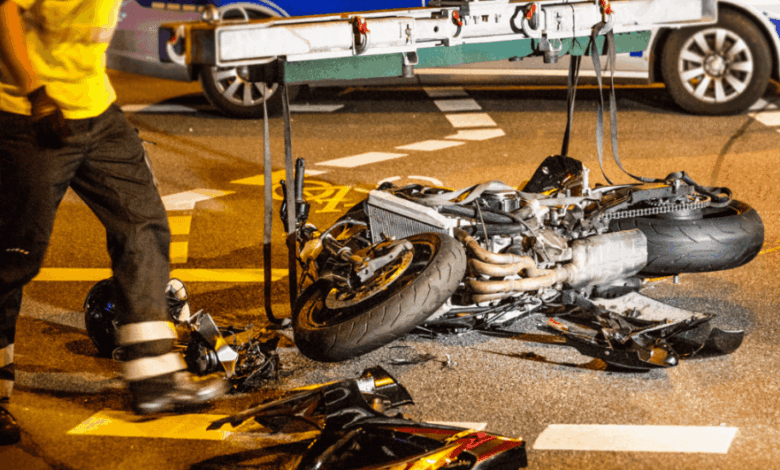
When a serious or fatal bike accident occurs, chaos follows. Emergency responders arrive, roads are blocked off, and in the worst cases, families receive the devastating call that someone they love isn’t coming home. In those early moments, legal concerns may seem far away. But as the days go on, questions begin to pile up. Who was at fault? Was the driver distracted? Did the city fail to maintain the roadway? Was there negligence—and if so, who is accountable?
This is where it becomes critical to have a clear plan and the right support. Navigating the legal system after a bike fatality is not just about paperwork or insurance—it’s about truth, justice, and ensuring that those responsible are held accountable. Fatal crashes often involve extensive investigations: police reports, traffic camera footage, vehicle data, and witness statements. But even with all that information, the truth can get buried without someone fighting to bring it to light.
And in Florida, where cyclist fatalities remain stubbornly high, it’s not unusual for victims and their families to find themselves going up against powerful insurance companies, city officials, or commercial vehicle operators who are more concerned with liability than accountability. This is why having an experienced attorney on your side isn’t just helpful—it can be the difference between silence and justice.
See also: Exploring the Most Common Defenses Used in Criminal Law
Why Legal Representation Matters
In the wake of a fatal bike accident, emotions run high. Grief, confusion, and frustration are natural, and they make it incredibly difficult for families to navigate complex legal systems alone. That’s where an attorney steps in—not to make promises they can’t keep, but to give structure and clarity to an otherwise overwhelming time.
An experienced bike accident attorney knows how to properly investigate a crash. They work with accident reconstruction experts, review black box data (if a commercial vehicle was involved), consult with medical professionals, and build a timeline of events that can reveal the truth. Most importantly, they make sure that families understand their rights and options every step of the way.
If a driver was negligent—whether due to distraction, intoxication, fatigue, or speeding—a wrongful death claim may be appropriate. That kind of claim can secure compensation for funeral costs, loss of income, emotional suffering, and other damages that come from losing a loved one. But even when the fault seems obvious, insurance companies may resist. They might argue the cyclist was at fault, or that road conditions were to blame, or that a payout should be minimized. Without someone to push back, families can end up feeling powerless.
The Role of a Florida Bike Accident Lawyer
A Florida bike accident lawyer specializes in these kinds of tragic, high-stakes cases. With the state’s dense population, high tourism traffic, and limited bike infrastructure in some regions, attorneys here are familiar with the patterns that too often lead to fatal crashes. They understand how local laws work, how traffic codes apply to cyclists, and how to handle the unique challenges that come with these emotionally charged situations.
These attorneys do more than file claims—they become advocates. They ensure that city planners, commercial drivers, and reckless motorists are all held to account. In many cases, they also fight to make roads safer by pushing for changes in infrastructure, signage, and public policy. For families, that kind of advocacy can bring more than compensation—it can bring a sense of closure and purpose.
While no legal action can undo a loss, pursuing justice can help survivors move forward, both emotionally and financially. A trusted Florida bike accident lawyer provides not just representation, but reassurance in a time when almost everything feels uncertain.
Biking Shouldn’t Be a Life-or-Death Choice
Riding a bike shouldn’t be an act of courage—it should be a safe and healthy way to get around. And yet, in too many parts of the country, including Florida, it still carries risks that far exceed what they should be. The burden of safety shouldn’t fall solely on cyclists. Drivers must be more attentive. Cities must do better with road design. Lawmakers must take cycling seriously as a mode of transportation.
Until those things improve, cyclists and their families need to be prepared—not only with helmets and lights but with knowledge about their rights and the resources available if things go wrong. Education, legal representation, and advocacy are essential tools in reducing the number of fatal bike accidents and holding those responsible to account when tragedy strikes.
Finding the Strength to Seek Justice
It’s a heartbreaking reality that some bike rides end in tragedy. But those left behind shouldn’t have to face the aftermath alone. Whether you’re a surviving cyclist, a grieving loved one, or a community member shaken by a loss, remember this: the law offers protections, and some professionals dedicate their careers to making sure those protections are enforced.
Fatal bike accidents are more than statistics. They’re stories of lives cut short, dreams interrupted, and families forever changed. In the face of that loss, a good attorney does more than handle legal details—they help carry the weight. They pursue justice not just for the sake of the law, but for the memory of the person who’s no longer here.